Odoo vs. Other ERPs: A Comparison and Market Trends
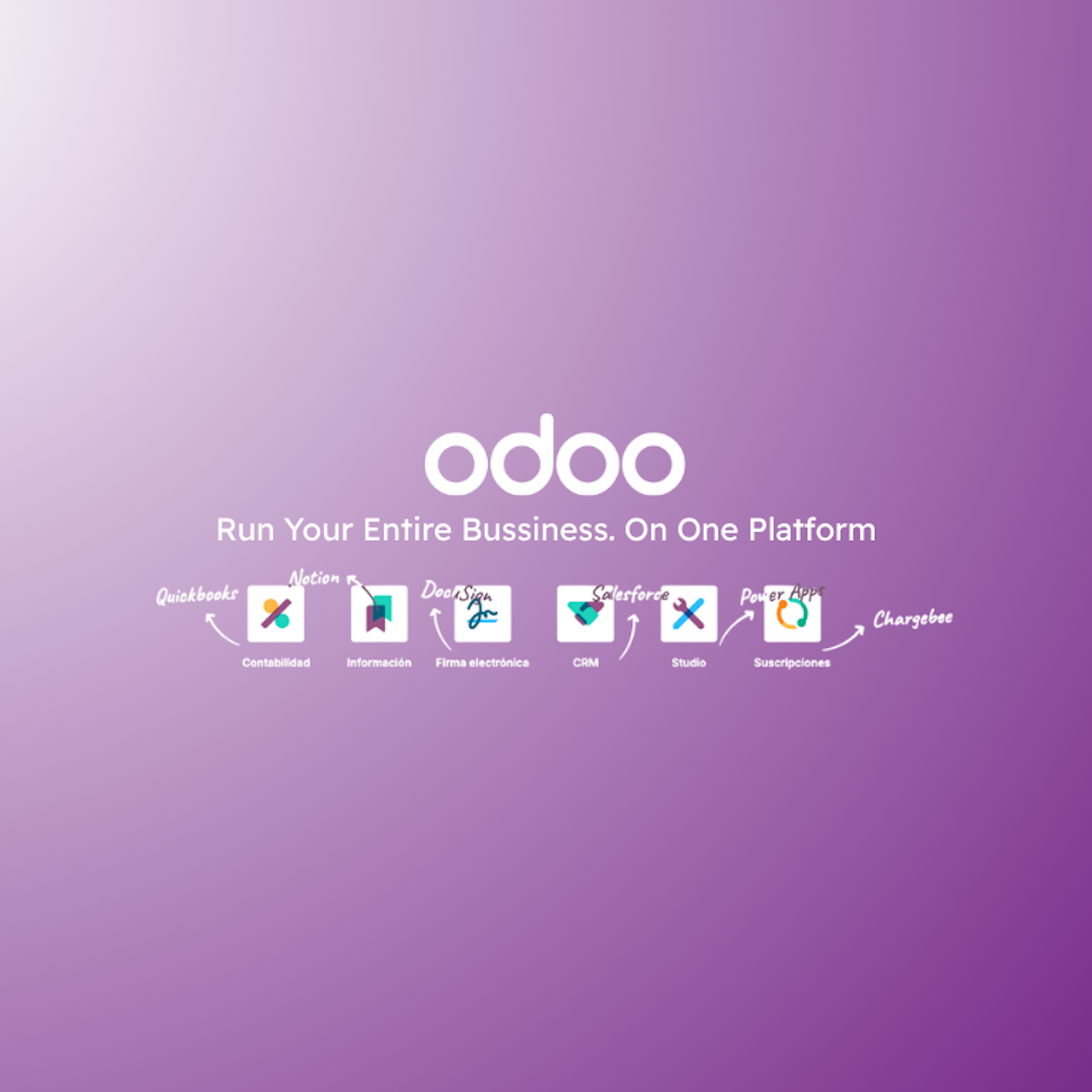
Odoo is an open-source ERP that integrates finance, CRM, sales, and inventory modules. ERP (Enterprise Resource Planning) is a category of software that manages all business processes: supply chain, production, finance, and customer service. By centralizing this information, an ERP system like Odoo enables organizations to operate more efficiently and productively, thereby increasing profits.
What is Odoo?
Odoo isn't just an ERP; it's an integrated suite of business applications that is revolutionizing the way companies manage their day-to-day operations. Since its launch in 2005, Odoo has grown exponentially, attracting more than 7 million users worldwide thanks to its accessibility and powerful features. This open-source business management system stands out in the market for its versatility and ability to adapt to companies of any size, from small startups to large corporations.
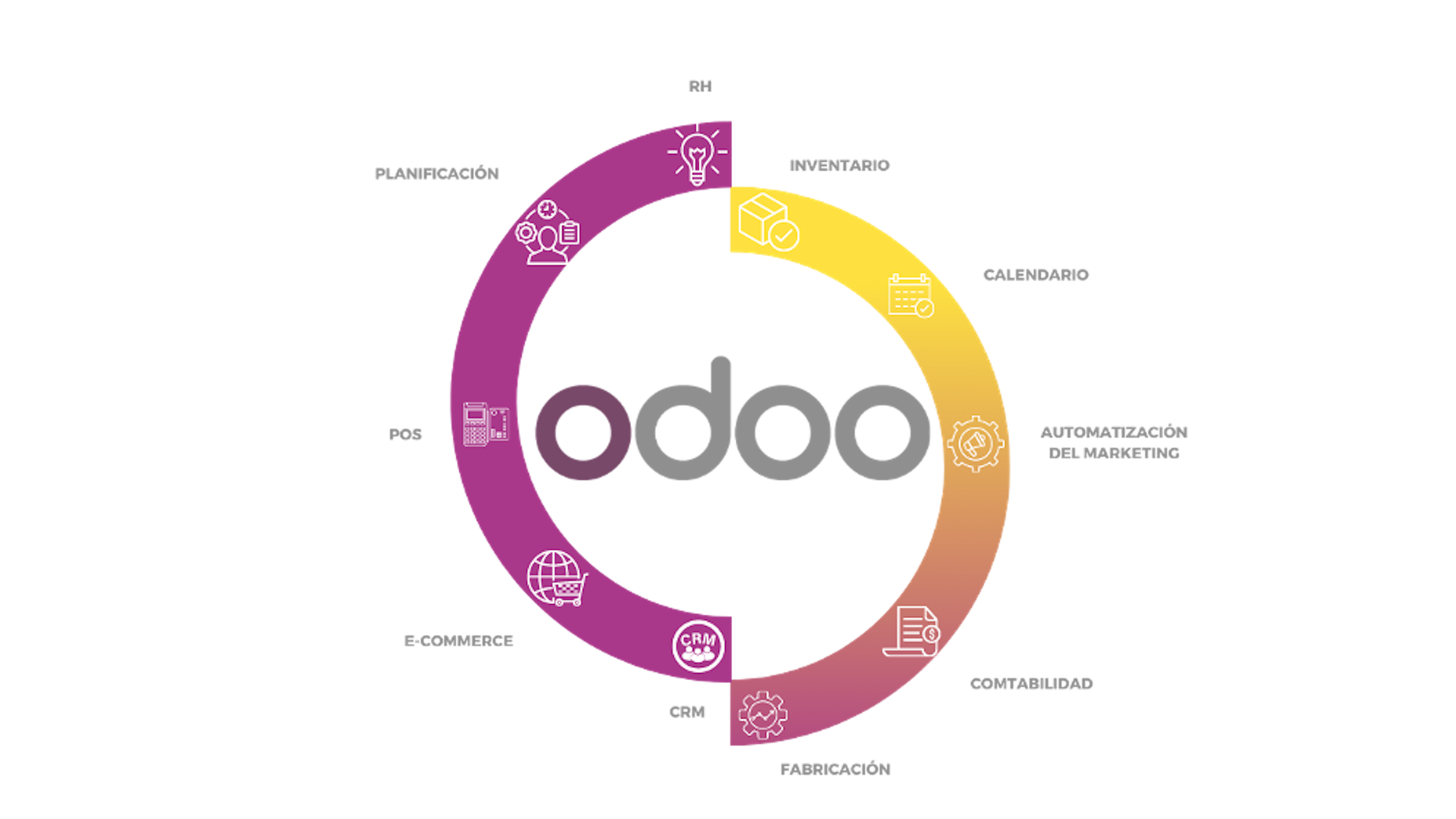
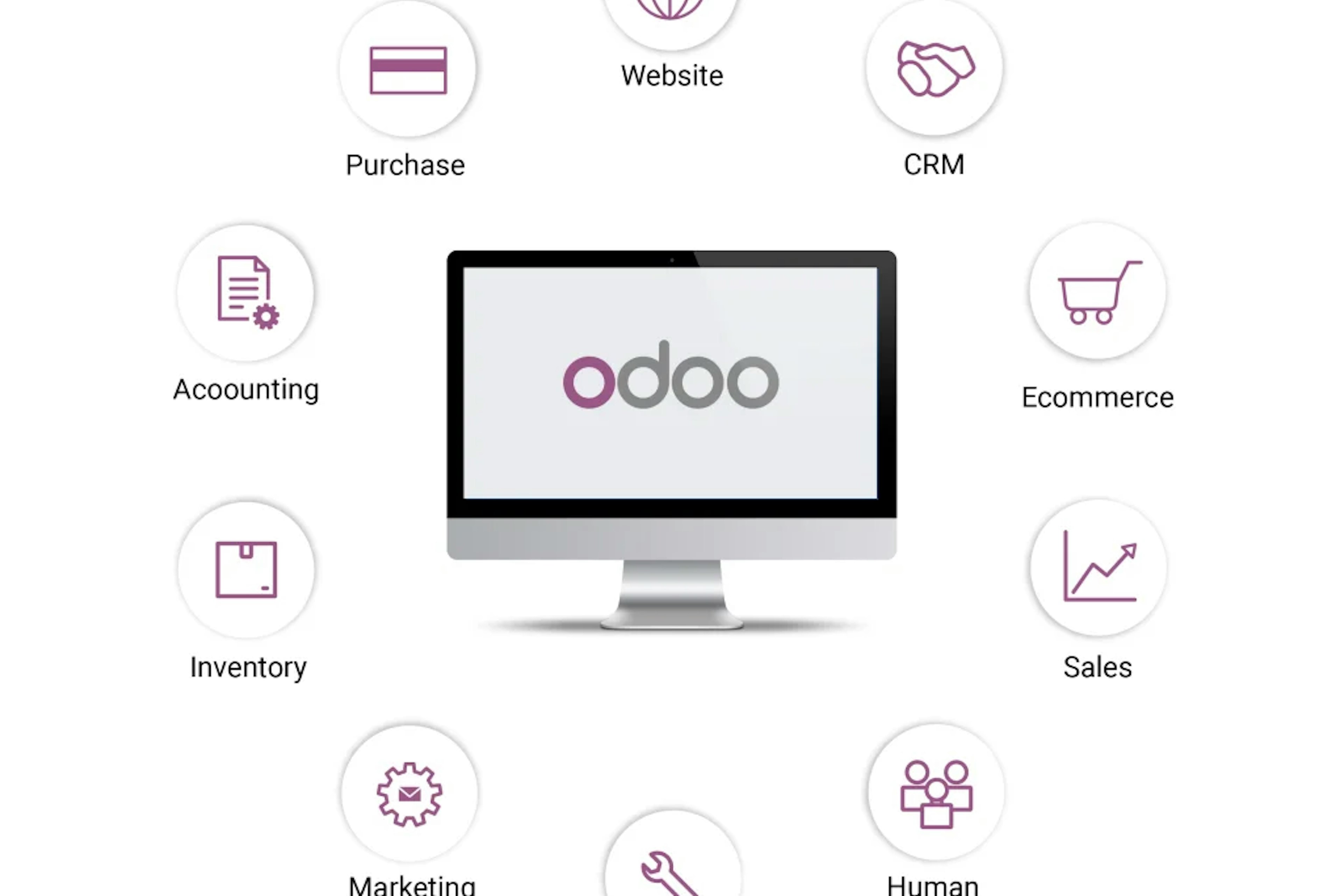
The Odoo platform is exceptionally comprehensive, covering modules that integrate all critical areas of a business. It includes, among others:
Accounting: Comprehensive financial management with tools that simplify cost accounting, invoicing, and all types of financial transactions.
CRM (Customer Relationship Management):It improves customer engagement and helps you manage leads, opportunities, and after-sales services more efficiently.
Project Management:Tools for planning, monitoring, and analyzing projects, ensuring that deadlines and budgets are met.
Inventory Management:Advanced systems for inventory tracking, warehouse optimization, and logistics.
In addition to these modules, Odoo is constantly being enhanced with new modules thanks to its developer community, allowing businesses to further customize the system to meet their specific needs. This is possible because Odoo is open-source, meaning that any developer can contribute to the code, improve features, and create new applications that integrate seamlessly into the Odoo ecosystem.
Ease of use is also one of Odoo’s major advantages. Its interface is intuitive and easy to navigate, allowing users to manage their daily activities efficiently and without unnecessary complications. This translates to a shorter learning curve for employees and faster implementation compared to other, more complex ERPs on the market.
How does Odoo stand out from other ERP systems?
Odoo stands out not only for its technical capabilities but also for the direct impact it has on the operational and financial efficiency of the companies that adopt it. According to the "Odoo ERP Comparison Report," Odoo outperforms key competitors such as NetSuite and SAP in several key areas:
For example, the average time to see a return on investment (ROI) with Odoo is significantly shorter, with companies reporting that they recoup their investment 13 and 20 months faster than with NetSuite and SAP, respectively. In addition, Odoo is implemented more quickly, with an average go-live time that is 2 to 7 months shorter compared to these competitors, meaning that companies can operate at full capacity with fewer disruptions.
In addition, according to a report by G2 Crowd, Odoo excels in the "Momentum" and "Satisfaction" categories, ranking ahead of nearly all of its competitors. This reflects not only the overall satisfaction with the product, but also the dynamism and the innovation Odoo continues to make a significant contribution to the ERP market. Specifically, Odoo’s inventory forecasting and tracking features are highly rated, with a score of 93% compared to the market average of 84%. This indicates Odoo’s superior ability to manage resources efficiently, which is crucial for any business seeking to optimize its operations.
With all this data on the table, we can now get a sense of how Odoo is positioning itself against its competitors—and doing so at breakneck speed.
Beyond the metrics, Odoo offers significant advantages in terms of flexibility and scalability. As a system that open source, allows organizations to customize and extend its functionality to meet specific needs without being constrained by the limitations of proprietary systems. Odoo’s user interface is notoriously intuitive, designed to facilitate adoption and reduce the learning curve, which is essential for maximizing productivity from the start.
In other ERP systems and similar software, such as SAP, Oracle, Navision, or SAGE, issues arise among users due to their high level of complexity and/or lack of flexibility and ability to adapt to the company’s needs.
These are typically functional services, but they can pose scalability challenges for companies looking to begin their digital transformation, so they may not be the best option ERP for small and medium-sized businesses. This is why Odoo has been gaining ground and popularity in recent years in a constantly growing market.
Are ERP systems the management tools of the future?
The ERP market and its popularity have evolved significantly in recent years. These systems are becoming increasingly widespread as companies seek ways to streamline their operations and improve efficiency. According to a recent Gartner study, the global ERP market is expected to grow from $33.7 billion in 2020 to $45.6 billion in 2024, with a compound annual growth rate (CAGR) of 6.4%.
There are many reasons for this growing popularity, but one of the most important is that ERP systems can provide a real-time view actual an organization's data. This enables companies to make better decisions more quickly. ERP systems can also automate many manual processes, freeing up employees to focus on more strategic tasks.
In addition, ERP systems have taken a new direction in recent years. In the past, most systems were proprietary, meaning they were developed and maintained by a single company. However, today there are many open-source options available, such as Odoo. Open-source systems are driven by a community of developers, and anyone can contribute to the software's development. This makes open-source ERP systems more flexible and easier to customize.
What does the future hold for Odoo and the ERP market?
Odoo It has been on the market for over 10 years and is used by organizations of all sizes, from small and medium-sized businesses to large corporations. In addition, it stands out as one of the management systems with strongest market growth, with a reported annual increase of more than 50% over the past two years and a long-term projection that positions it as one of the future leaders of the overall market.
Discover what Odoo can do for your business.
An initial meeting to see if we're a good fit, followed by a demonstration tailored to your processes.
More posts like this
8-minute read
Odoo 20: All the New Features and the 2026 Release Date

4 min read
Dynapps named Best Odoo Partner in Europe
At the Odoo Experience Days in Brussels, Dynapps won the title of Best Odoo Implementation Partner in Europe, with former CEO Karel Hendrickx and the team collecting the award on 2–4 October 2024.
4 min read
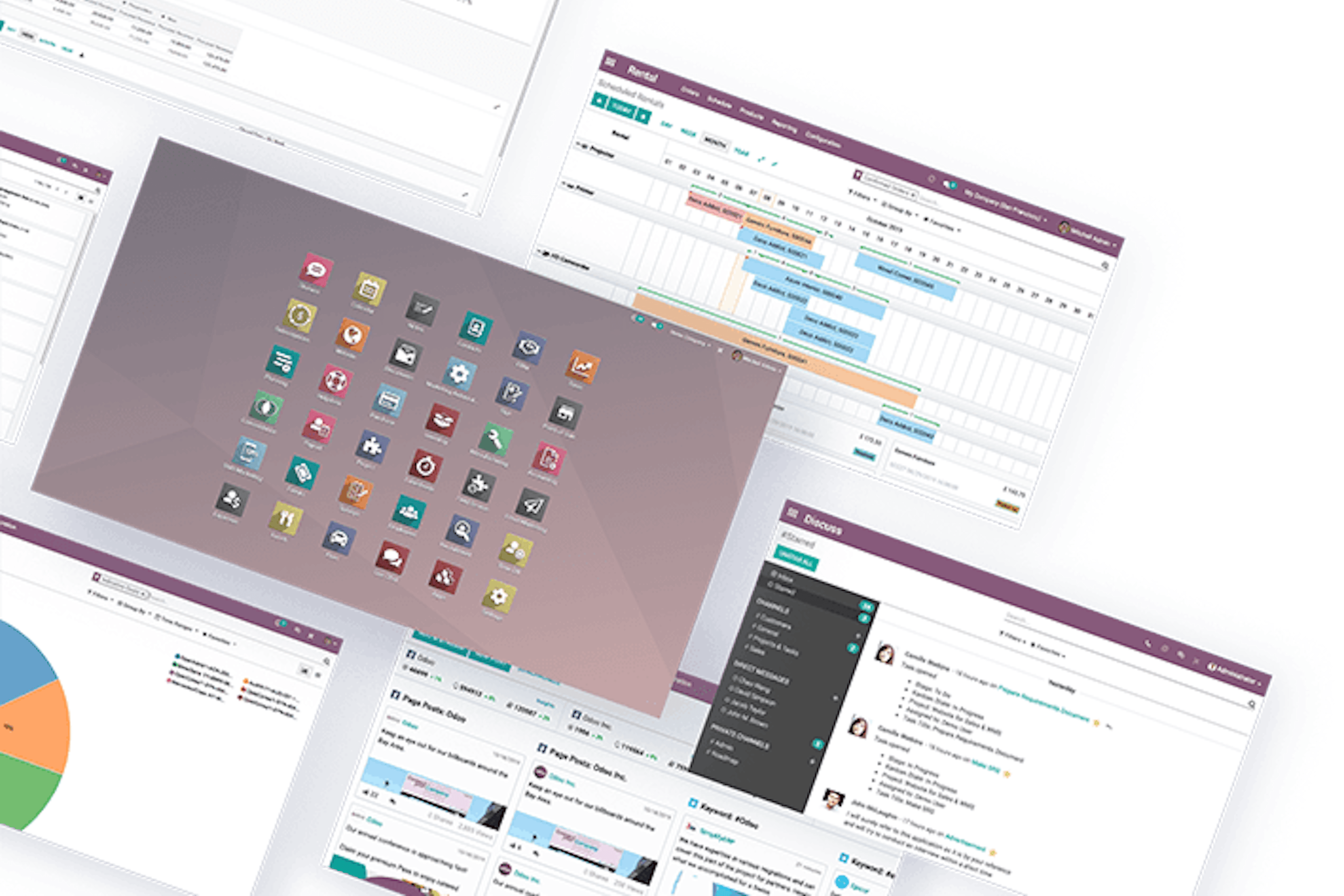
ERP vs CRM: what is the difference?
In a competitive market, businesses lean on software to operate efficiently. Two systems come up most: ERP and CRM. They serve different purposes, and they often work better together than apart.
6 min read
Odoo or Exact: which ERP fits your SME?
Choosing an ERP changes how the business runs. Odoo and Exact both target SMEs, but they solve different problems. This is a side-by-side read on functionality, flexibility, support, and where each one fits.
4 min read
Odoo vs AFAS: comparing two ERP systems built for SMEs in NL and BE
A side-by-side comparison of Odoo and AFAS, two ERP systems built for SMEs in the Netherlands and Belgium. It weighs flexibility, user-friendliness, support, integrations and cost per system.
June 10, 2026 - 3-minute read
10 Tips for Improving Your Productivity in Odoo

5-minute read
5 Artificial Intelligence Tools You Can Use in Odoo 19

8-minute read
Top 10 Time Tracking Software [2026 Comparison]

8-minute read
How to Integrate WhatsApp with Odoo to Improve Communication with Your Customers
8-minute read
7 Benefits of Implementing Odoo in Your Business