Odoo vs. ERPNext: The Complete Comparison

When a company decides to implement an ERP system to centralize its operations, one of the most important decisions is choosing the right platform. Odoo and ERPNext are two of the most popular open-source ERP solutions today, but they are not the same. Although both allow you to manage sales, accounting, inventory, projects, and more, their architectures, communities, and customization capabilities differ.
In this comparison guide, we provide an in-depth look at the similarities, differences, and advantages of Odoo versus ERPNext, and explain why Dynapps, as an Odoo Gold Partner, is the ideal partner to guide you through this technological transition.
1. Overview of Odoo and ERPNext
What is Odoo?
Odoo is a modular, open-source ERP platform that enables businesses to integrate all their operations: CRM, accounting, purchasing, manufacturing, human resources, e-commerce, helpdesk, and much more. Its modular structure facilitates a phased implementation, tailored to each company’s growth pace. It is available in Community (free) and Enterprise (paid) editions.
What is ERPNext?
ERPNext is an open-source ERP system developed by Frappe Technologies. It also offers a comprehensive suite of tools for managing business operations, including sales, accounting, inventory, human resources, manufacturing, and more. It is built using Python and the Frappe framework. It is available as a self-hosted solution or via cloud-based subscriptions.
2. Flexibility and customization
Odoo
Modular and scalable architecture.
Large developer community (OCA).
It supports custom development, external integrations, and full customization of views, logic, and processes.
It can be deployed on your own servers, in the public cloud, or via Odoo.sh.
ERPNext
Open source and transparent.
Customizable, but with a smaller community.
Based on Frappe, with a different learning curve.
A smaller ecosystem of developers and partners.
3. Interface and User Experience
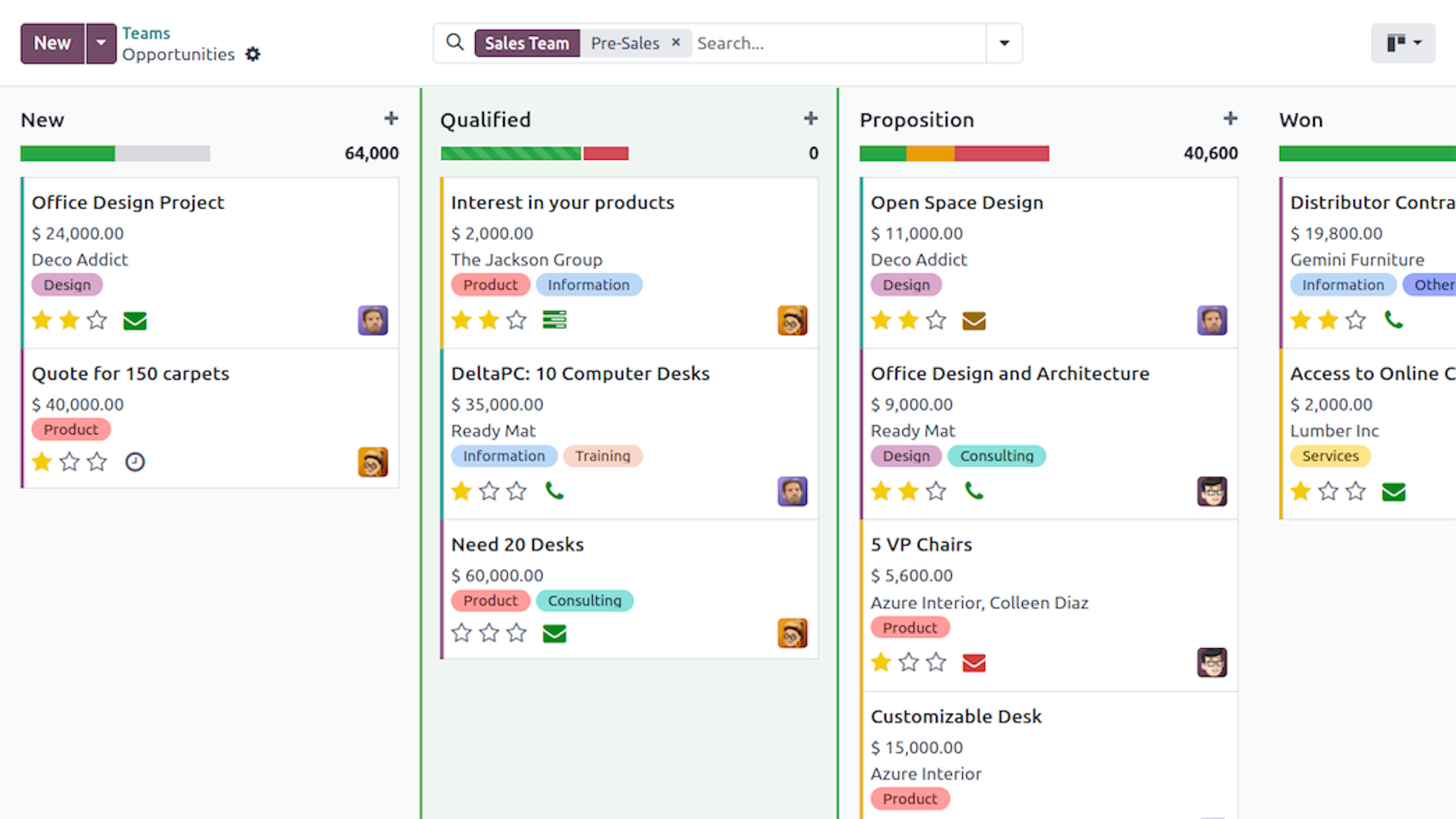
Odoo stands out for its modern, visual interface, featuring a responsive design and consistent navigation across modules. It allows users to work from mobile devices and offers Kanban, calendar, Gantt, and list views.
ERPNext has a functional interface, but it is more technical and less visually appealing. It requires more time to get used to, especially for teams with no prior experience with ERP systems.
4. Community, Support, and Partners
Odoo has an active global community, a strong network of certified partners (such as Dynapps), official documentation, and professional support from Odoo S.A.
ERPNext has a growing community, but it is less established and has fewer specialized partners. Professional support is provided primarily by Frappe or independent vendors.
5. Pricing and Business Model
Odoo
Community: Free, ideal for companies with their own technical team.
Enterprise: Starting at €31.10 per user per month, including all apps.
Additional costs: customization, infrastructure, support (depending on the plan).
ERPNext
Open source: Free for self-hosting.
Cloud (Frappe Cloud): Starting at approximately $50 per month, with limits depending on the plan.
Lower costs for simple projects, but fewer business support options.
6. Scalability and performance
Odoo supports advanced configurations, multiple databases, staging environments, integration with external systems, and deployments on high-performance infrastructure.
ERPNext works well for small and medium-sized businesses, but it may require significant adjustments to scale in environments with many users or a high degree of customization.
7. Advantages and disadvantages
Odoo – Benefits
Powerful, scalable, and widely adopted.
A large community of developers.
Modern interface and optimized user experience.
A comprehensive ecosystem of modules and connectors.
Suitable for all types of industries.
Odoo – Disadvantages
Seeking a partner for complex implementations.
Some advanced features are exclusive to the Enterprise edition.
ERPNext – Benefits
Open source and free.
Good performance in small and medium-sized businesses.
A framework that incorporates best practices.
ERPNext – Disadvantages
Less user-friendly interface.
Limited scalability in large companies.
Fewer developers and partners available.
8. How to Implement Odoo with Dynapps
Implementing an ERP system requires analysis, planning, and technical expertise. As an Odoo Gold Partner, Dynapps offers a comprehensive service:
Preliminary consultation.
Module installation and configuration.
Customization development.
Team training.
Ongoing support and maintenance.
Conclusion
Both Odoo and ERPNext are solid options in the world of open-source ERP systems. But if your company is looking for a scalable solution with more comprehensive features, a better user experience, and a well-established ecosystem, Odoo is the best choice in 2025.
And if you want to implement it securely, effectively, and in a way that’s tailored to your needs, Dynapps is here to help you every step of the way.
Discover what Odoo can do for your business.
An initial meeting to see if we're a good fit, followed by a demonstration tailored to your processes.
More posts like this

Odoo Consultants
Odoo Consultants
At Dynapps, we’ve been working as Odoo consultants in Spain since before we wrote the first line of configuration code: we understand your business, prioritize what truly adds value, and only then do we design the solution.
Dynapps Digital Kit
Dynapps Digital Kit
Digitize Your Business with Dynapps

Odoo in Valencia
Digitize Your Odoo in Valencia

8-minute read
Verifactu 2027: The Law That Never Comes... Until It Does
8-minute read
Odoo 20: All the New Features and the 2026 Release Date
4 min read
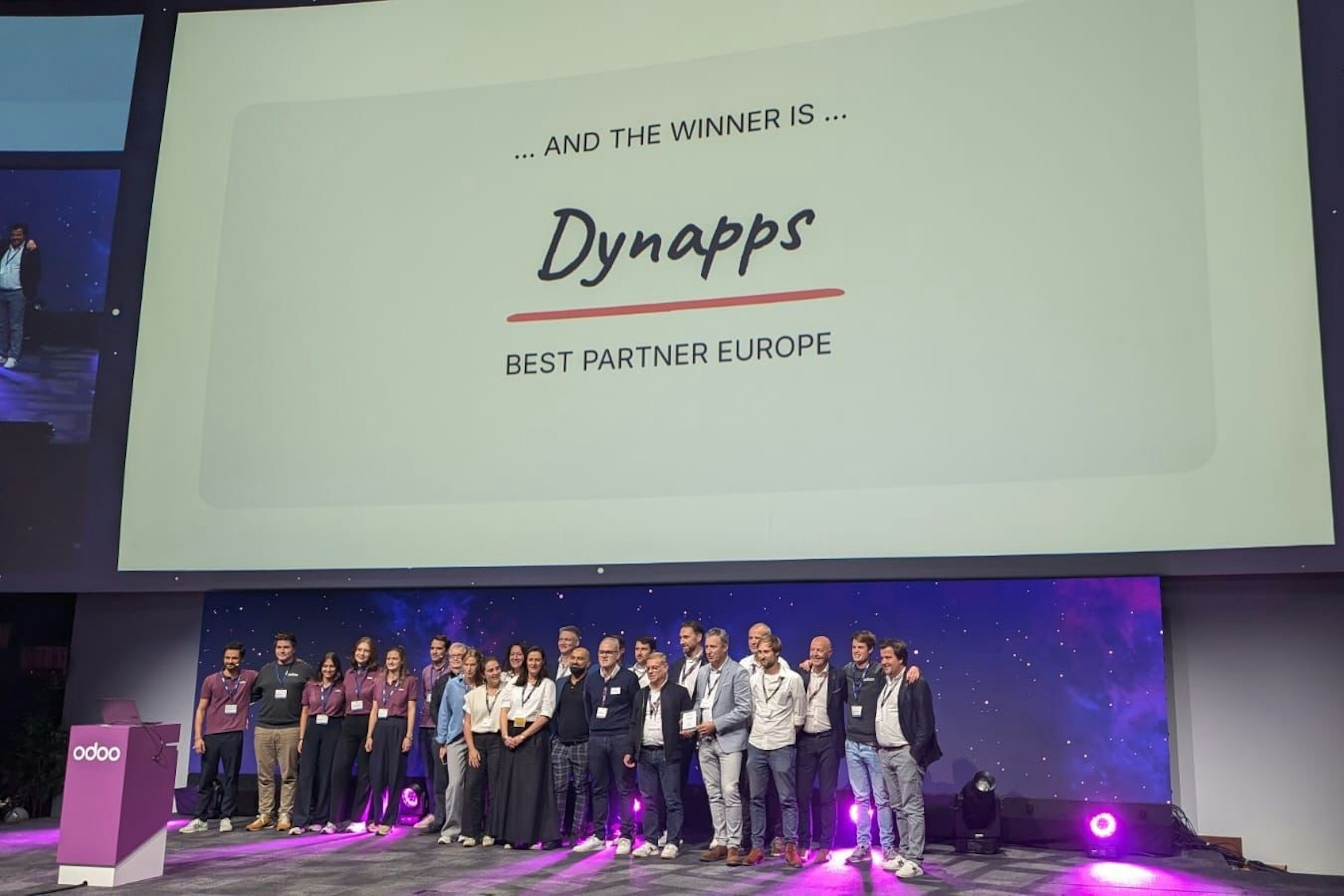
Dynapps named Best Odoo Partner in Europe
At the Odoo Experience Days in Brussels, Dynapps won the title of Best Odoo Implementation Partner in Europe, with former CEO Karel Hendrickx and the team collecting the award on 2–4 October 2024.
4 min read
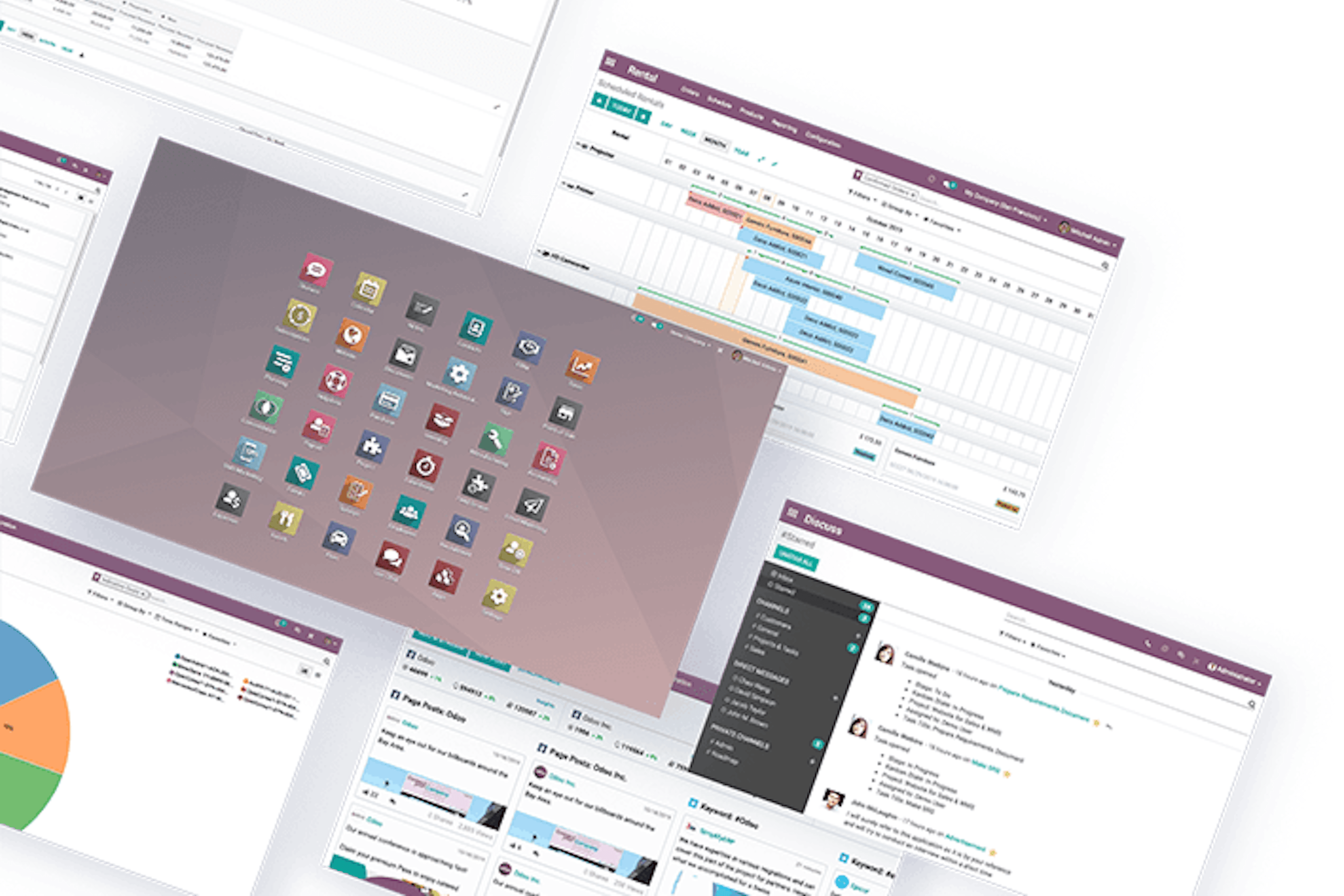
ERP vs CRM: what is the difference?
In a competitive market, businesses lean on software to operate efficiently. Two systems come up most: ERP and CRM. They serve different purposes, and they often work better together than apart.
6 min read
Odoo or Exact: which ERP fits your SME?
Choosing an ERP changes how the business runs. Odoo and Exact both target SMEs, but they solve different problems. This is a side-by-side read on functionality, flexibility, support, and where each one fits.
4 min read
Odoo vs AFAS: comparing two ERP systems built for SMEs in NL and BE
A side-by-side comparison of Odoo and AFAS, two ERP systems built for SMEs in the Netherlands and Belgium. It weighs flexibility, user-friendliness, support, integrations and cost per system.
June 10, 2026 - 3-minute read
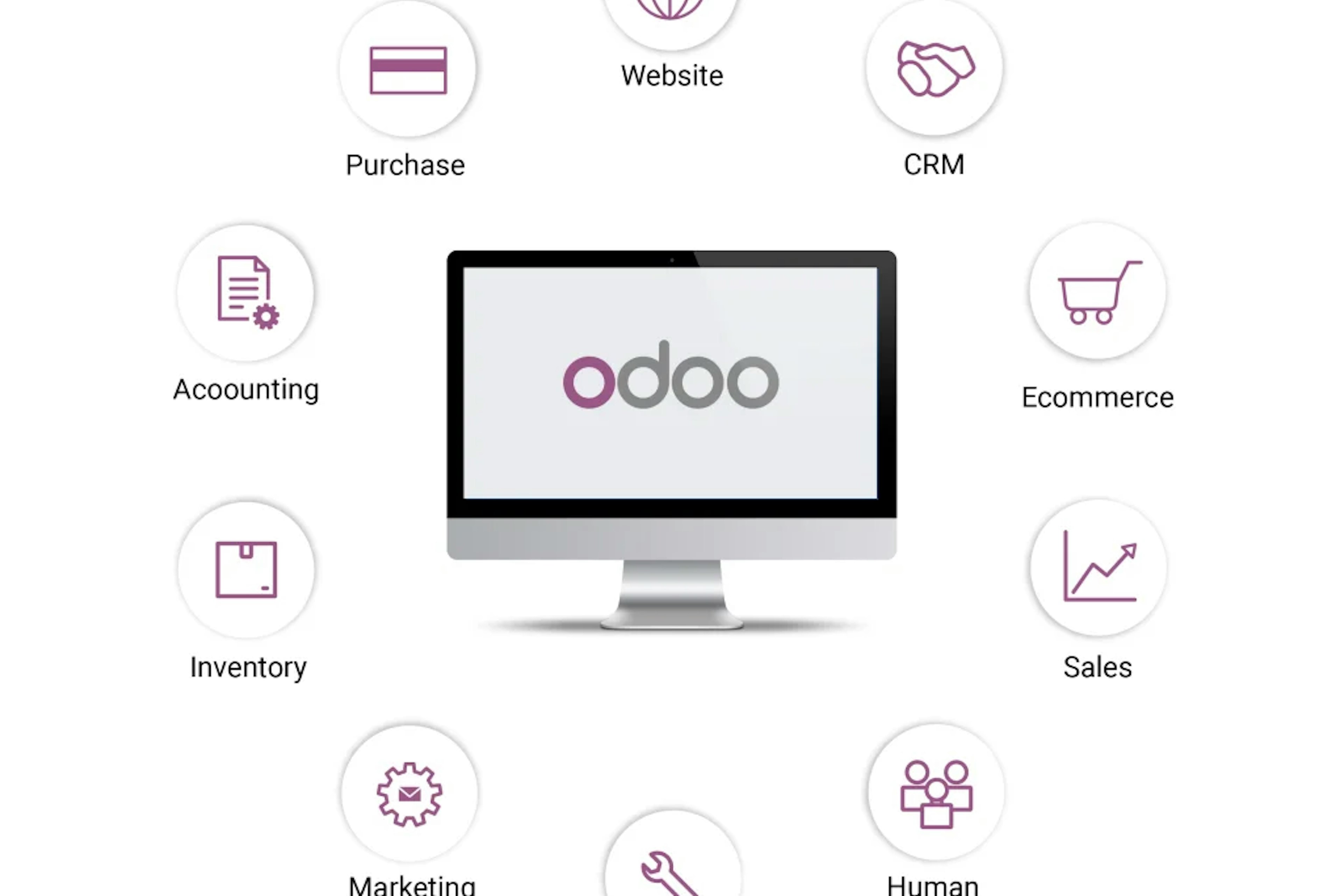
10 Tips for Improving Your Productivity in Odoo