Top 10 Time Tracking Software [2026 Comparison]

In today’s environment of productivity and compliance, choosing time-tracking software is no longer optional: it is a strategic tool for growing your business with legal certainty and reliable data. Digitalization has raised the bar; accurately tracking work hours helps reduce costs, identify inefficiencies, and plan effectively. Furthermore, regulations require traceability and reports that are accessible for inspection. That’s why it’s wise to invest in a system that integrates with the rest of your management processes. Within this approach, working with a Odoo Gold Partner ensures robust implementations and an architecture designed for scalability. Throughout this guide, you’ll learn how to compare alternatives, what to evaluate in each case, and why integrating time tracking with projects, payroll, and billing accelerates results. You’ll also discover solution profiles tailored to different industries and company sizes. The goal: for you to end up with a clear, actionable plan aligned with your goals.
Introduction to Time and Attendance Software
Choosing time-tracking software means thinking beyond just clocking in and out. We’re talking about capturing time on the go, documenting breaks, auditing overtime, and linking that data to calendars, projects, and payroll. Transparency reduces friction with staff and streamlines decision-making for middle management. It also standardizes criteria across locations, shifts, and hybrid work models. Usage statistics reveal which teams need support and where unproductive hours are being wasted. With a well-designed role structure, access to information is secure and restricted by user profile. In short, time and attendance tracking with Odoo 19 It is synonymous with operational efficiency, full traceability, and regulatory compliance in day-to-day operations.
What is time-tracking software, and why will it be essential in 2026?
This solution centrally tracks clock-ins, clock-outs, breaks, and overtime, providing audit-ready evidence and reports. By 2026, the priority will be on reliability, mobility, and the ability to integrate data with HR and finance. Flexibility for different collective bargaining agreements, rotating shifts, and remote work is also important. Automatic report generation reduces administrative burdens and prevents manual errors. A good system facilitates dashboards by location, team, and project. If you want more information about the platform, you can learn more here at What is Odoo? and evaluate its modular approach.
Key benefits for Spanish companies
Time-tracking software improves legal compliance and provides greater visibility into absences, overtime, and workload distribution. Shift scheduling becomes a controlled process with clear rules and fewer issues. Mobile apps streamline time tracking for field staff or employees working on-site at client locations. Managers reduce reconciliation times and have access to comparable reports. Management obtains metrics to adjust staffing levels based on seasonality. And by integrating it with projects and billing, the cost per task becomes clear, driving data-driven decisions.
Methodology for Comparing Time-Tracking Software
This comparison was developed based on criteria such as usability, scalability, legal coverage, total cost of ownership, and ERP integration. We also evaluated the implementation experience and the actual learning curve for non-technical teams. The analysis covers scenarios for both small and medium-sized businesses and companies with multiple locations. The focus is on solutions that address common use cases without sacrificing advanced capabilities. Furthermore, measurable metrics are prioritized: deployment times, staff adoption, and quality of support. The goal is to provide a useful and actionable guide.
Selection criteria (usability, cost, legality, integrations)
Usability was measured based on interface clarity and friction when logging in via mobile or browser. Cost was evaluated as the sum of licensing, implementation, training, and maintenance. Compliance covers required reporting, evidence sealing, and auditing. For integrations, we considered synchronization with ERP systems, projects, and accounting. Scalability was tested with increasing volumes and multiple locations. Finally, we evaluated permission and profile configurations to ensure proper data governance.
Sources and tests conducted
Practical tests have been conducted in demo environments and pilot scenarios, including geolocation-based clock-in and offline mode. The quality of downloadable reports and traceability by employee, location, and project were reviewed. Testimonials from HR managers and project managers were also collected. The validation included reviews of regulatory changes planned for 2026. To complete the picture, the system’s integration with other areas such as billing and accounting was verified through Odoo Invoicing and within the framework of Odoo Verifactu.
Ranking of the 10 Best Time and Attendance Software Programs
This ranking does not promote specific brands; rather, it outlines different types of solutions and how they align with specific needs. The goal is to help you identify the archetype that best suits your organization and industry. Each profile has been scored based on functionality, ease of use, and integration with processes. The maturity of the ecosystem and the capacity for customization are also evaluated. The idea is for you to choose the path and, from there, determine the exact tool with your technology partner. Let’s take a look at the ten archetypes.
Odoo Timesheet (implemented by Dynapps)
Odoo Timesheet stands out for its seamless integration with the Odoo ecosystem, making it a strategic solution for comprehensive business management. Dynapps customizes this module to align with each company’s labor agreements, shift schedules, and internal processes. Its features allow for real-time time tracking, generating reports by project, and automatically linking the information to payroll and invoicing. This time tracking software offers flexibility and scalability, though it may require initial training to take full advantage of its capabilities.
Factorial
Factorial focuses on simplifying the tracking of work hours through digital time-stamping accessible from any device. It automatically manages vacation time, absences, and overtime, reducing the administrative burden. It also offers mobile apps that ensure employee mobility. Although it relies on a stable internet connection, its ease of use makes it attractive to companies looking to quickly implement time-tracking software with practical features. The ability to generate reports helps maintain transparency in management.
Work Hours
Reloj Laboral combines a physical terminal with a digital app to ensure simple and transparent time tracking. It is particularly useful for companies that do not have an ERP system and are looking for a basic yet effective solution. Its main strength is its simplicity, which reduces the learning curve and makes it easier for employees to adopt. As time-tracking software, it is an affordable option that complies with regulations and allows for the generation of reliable attendance reports, although it offers limited integration capabilities.
Talentia Software
Talentia integrates time and attendance tracking with advanced HR analytics, offering a comprehensive approach to workforce planning. Its features enable users to manage shifts, generate strategic reports, and calculate workforce-related costs. This time and attendance software is designed for medium and large companies that require a robust and scalable system. The combination of time and attendance tracking with data analytics facilitates evidence-based decision-making, although it may require a greater investment of time and resources.
FIT (Smart Signing)
FIT stands out for its biometric tracking and mobile clock-in features, which enhance the security and reliability of the data collected. It can even be used in offline environments, making it ideal for industries with constant mobility. This time-tracking software ensures that work hours are recorded correctly, in compliance with current legal regulations. Its ease of use makes it an attractive solution for companies that require precision in attendance management. Biometrics adds an extra layer of confidence in the validation of clock-ins.
Beebole
Beebole is designed for project teams and consulting firms that need to track hours by task and generate reports related to profitability. Its user-friendly interface makes it accessible, while also providing exportable reports that simplify billing and project planning. This time-tracking software is particularly useful for service-based SMEs looking to link time management with financial results. Its project-focused approach sets it apart as a practical option for companies that rely on billable work.
a3time control
a3time control combines payroll, shift, and workday management into a single platform. This time-tracking software strictly complies with Spanish regulations and supports complex configurations for large workforces. The inclusion of physical terminals and mobile apps makes it a comprehensive and flexible solution. Its ability to adapt to rotating shifts and industries with high workforce variability makes it highly valued. Additionally, it ensures the traceability of all records, facilitating audits and legal verifications at any time.
Bizneo HR
Bizneo HR is a comprehensive human resources suite that includes an advanced time-tracking module. This time-tracking software allows you to manage not only attendance but also processes such as recruitment, training, and performance evaluation. Its key advantage is the centralization of functions within a single system, which brings consistency and visibility to people management. It is designed for companies seeking a comprehensive HR solution capable of integrating different areas into a single technological environment.
Sicron
Sicron specializes in industrial environments, where robustness and service continuity are essential. This time-and-attendance software ensures reliable records even in settings without a stable internet connection. Its technical resilience makes it the right choice for factories, plants, and demanding production environments. Although its features may be more limited in terms of advanced analytics, its operational reliability is a key factor. It is a practical and simple tool that ensures the legality of time tracking without added complications.
Timenet
Timenet combines time tracking with project management, making it ideal for startups and agencies that need to link hours worked to clients. This time tracking software provides clear, exportable reports and features a lightweight, cross-platform app. Its main advantage is flexibility, as it can adapt to different types of projects and teams. Although it doesn’t offer advanced human resources features, it’s a practical and cost-effective solution for young, dynamic organizations.
How to Choose the Right Time and Attendance Software
The choice depends on the size of your workforce, the complexity of your shifts, mobility, and your need for analytics. First, determine who validates, who approves, and what reports each role requires. Determine whether you need geolocation-based clock-in, kiosk, biometric, or offline options. Calculate the total cost, including training and support, not just licenses. Prioritize integrations to avoid data silos. And align the solution with your financial and operational goals for the year.

Adaptation to the workforce and industry
Every industry has its own rules: the hospitality sector requires flexible scheduling; professional services, project-based billing. Manufacturing values reliability and continuity; retail, speed during peak periods. Tailor onboarding policies to the realities of work schedules and labor agreements. Define exceptions and approval workflows from the start. Adaptation reduces incidents and improves the employee experience. A good sector fit accelerates the return on investment.
Ease of use and mobility (mobile app)
If clocking in is easy, the data is reliable. Look for intuitive apps with clear reminders and validation prompts. Mobility handles field work, site visits, and remote work. Consider widgets, quick access features, and clocking in via the corporate browser. Consistent design across web and mobile reduces training needs. Monitor adoption and address friction early on. Simplicity is the best antidote to issues.
Compliance with Spanish labor laws
Require downloadable reports, immutable records, and change tracking. Ensure quick access during audits, with filters by time period and employee. Review data retention and privacy policies. Stay up to date with billing and verification requirements when they affect your workflow, using resources such as Who is required to use Verifactu? and Verifactu vs. Electronic Invoicing Legal certainty is non-negotiable. Document your internal procedures.
Ability to integrate with your ERP (Odoo)
Integration turns time tracking into a strategic asset. With Odoo, time data flows seamlessly into projects, payroll, and sales without duplication. This unified data allows you to reconcile margins and assess capacity. Additionally, alerts are automatically triggered for deviations from planned hours. If you manage inventory or logistics, the synergies multiply. To learn more about the business approach, check out Odoo for Businesses and align your roadmap.
Dynapps Services for Your Time Tracking with Odoo
A successful project combines methodology, domain expertise, and well-designed architecture. Dynapps drives deployment with a focus on processes and data governance. We start with measurable objectives and real-world use cases, prioritizing quick wins. The iterative delivery model reduces risks and accelerates adoption. High-quality support ensures operational continuity. And post-deployment analytics enable evidence-based decision-making.
Consulting and Process Analysis
The project begins with an assessment of workflows, policies, and reporting requirements. Bottlenecks are identified, and the role model is defined. The consulting team determines the necessary configurations and developments. It also aligns the project with financial and operational objectives. With this roadmap, the implementation avoids rework. The result: time-tracking software that fits right in and scales seamlessly.
Implementation and Customization of Odoo Timesheet
The configuration adapts shifts, approvals, schedules, and rules by location. Projects, payroll, and billing are integrated to create a seamless workflow. Reports are customized for management, HR, and team leaders. Automated alerts reduce clock-in issues. Version control safeguards changes and accelerates improvements. The focus: reliable data, clear processes, and sustained adoption.
Training and ongoing support
The training combines hands-on sessions for administrators and end users. It covers best practices for clocking in, incident management, and reading reports. Support addresses questions and keeps the solution aligned with internal changes. Usage is monitored, and adjustments are suggested when patterns emerge. This close support reduces downtime and reinforces the habit. The employee experience improves starting from the first month.
Data Migrations and Updates 2026
If an existing system is in place, a secure migration plan is developed with cross-checks. Historical data is preserved, and the transition is documented. The 2026 updates are implemented without interrupting operations. Critical scenarios are tested before going live. The goal is total continuity and consistent compliance. As a result, your time-tracking software remains up-to-date and ready for audits.
What is the best software for your needs?
The answer depends on your priorities: speed of adoption, deep integration, or advanced analytics. If you’re looking for unified management, the Odoo-centric approach with Timesheet is particularly robust. For very specific scenarios, a vertical solution may be a better fit in the short term. In any case, define success metrics and a clear roadmap. This will ensure a return on investment and a smooth transition. The right choice is the one that drives your strategy, not just the one that meets the legal minimum.
Why Choose Dynapps for Your Time and Attendance and ERP Systems
Dynapps has extensive experience with Odoo projects in Spain, using proven methodologies and focusing on tangible value. Their support covers the entire cycle: assessment, implementation, training, and support. Integration with projects, accounting, and sales creates a single source of truth. With clear dashboards and processes, teams work with less friction. The implementation lays a solid foundation for growth. And your time tracking becomes a competitive advantage.
Discover what Odoo can do for your business.
An initial meeting to see if we're a good fit, followed by a demonstration tailored to your processes.
More posts like this
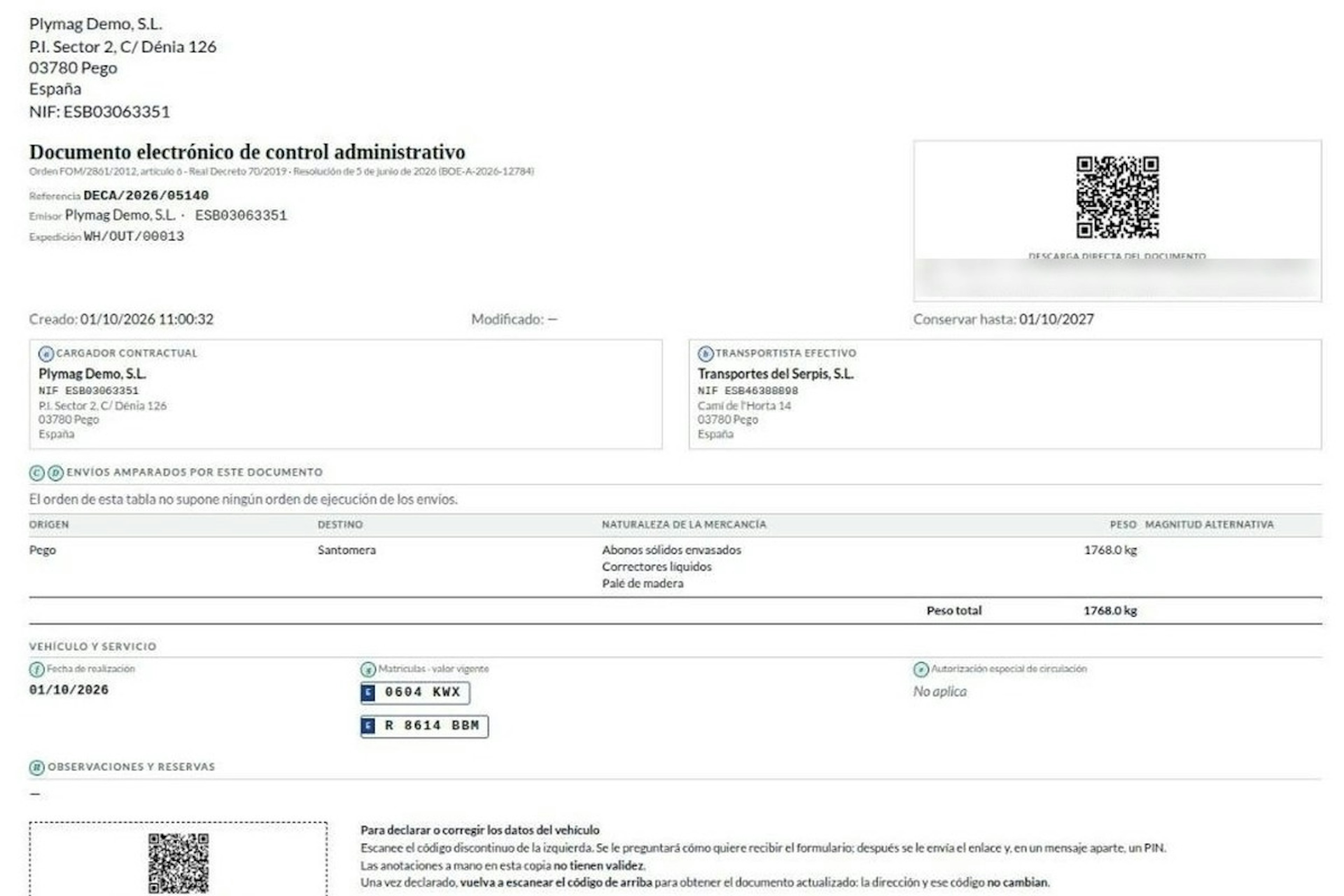
8-minute read
How the DeCA works in Odoo when the truck changes on the road: QR, secure link and PIN.
A breakdown, a different semi-trailer, a reservation about the load: this is how the DeCA is amended in Odoo during transport, with two QR codes, a link only the carrier receives and a six-digit PIN.
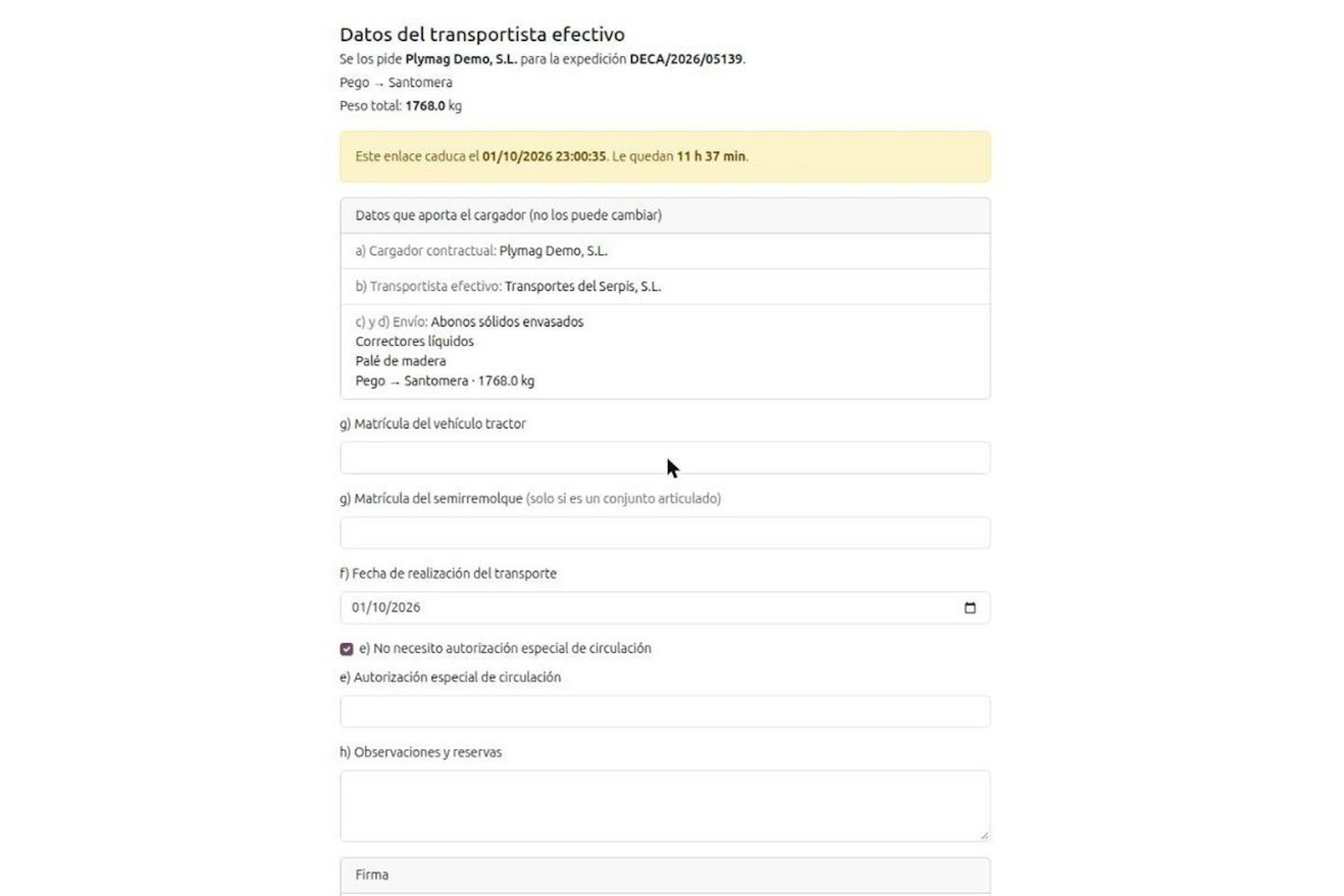
8-minute read
DeCA for transport companies with Odoo: you supply your data by link and issue it when you subcontract.
As the actual carrier, the DeCA binds you, but you will usually supply the special authorisation, date and plates through the link your client's Odoo sends you. When you subcontract, you will normally issue it from your own Odoo.
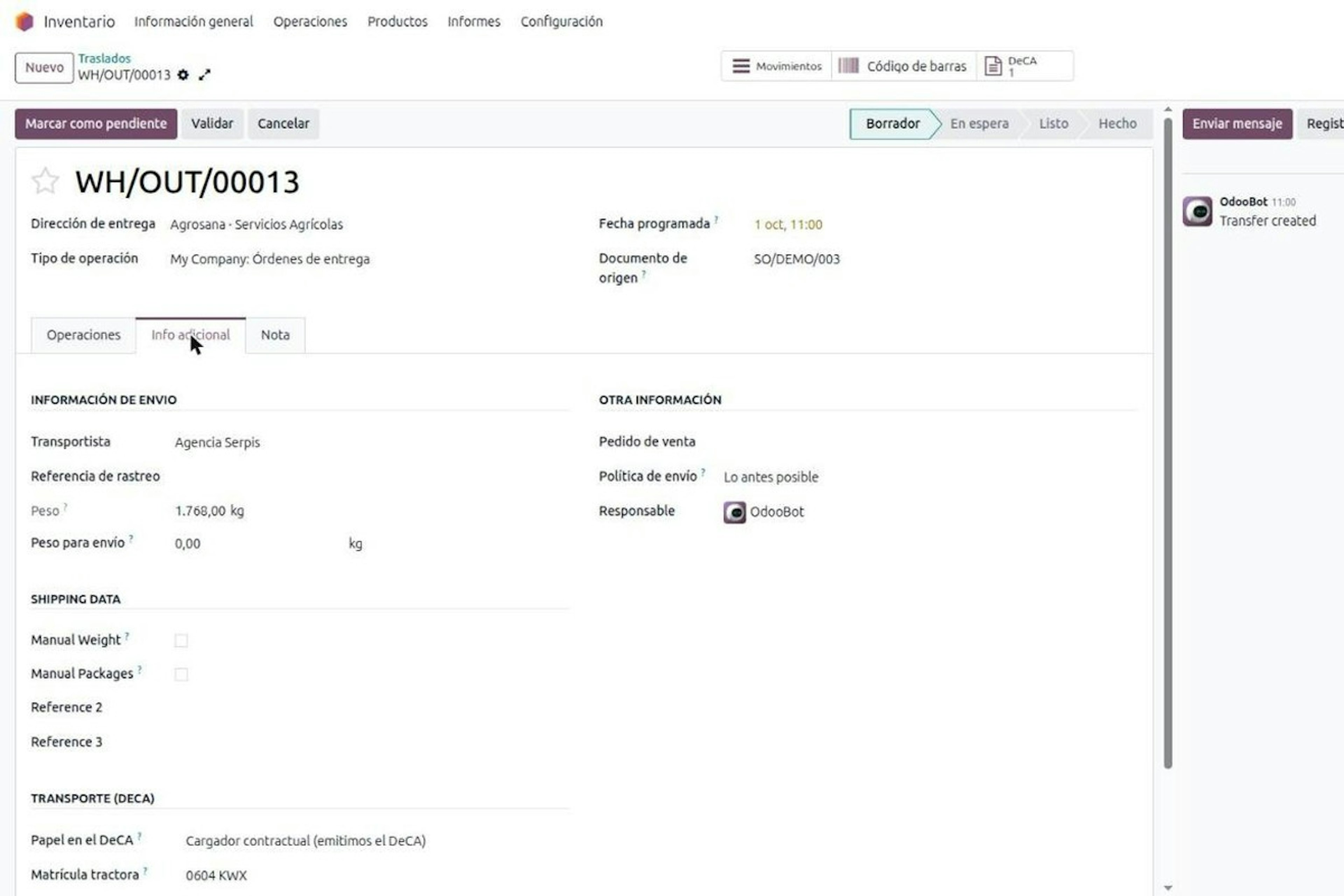
13-minute read
DeCA in Odoo: the transport control document, issued from the delivery order.
The DeCA is mandatory from 5 October 2026. If you run Odoo, you issue it from the delivery order with no separate tool, and the carrier adds the plate from their phone.
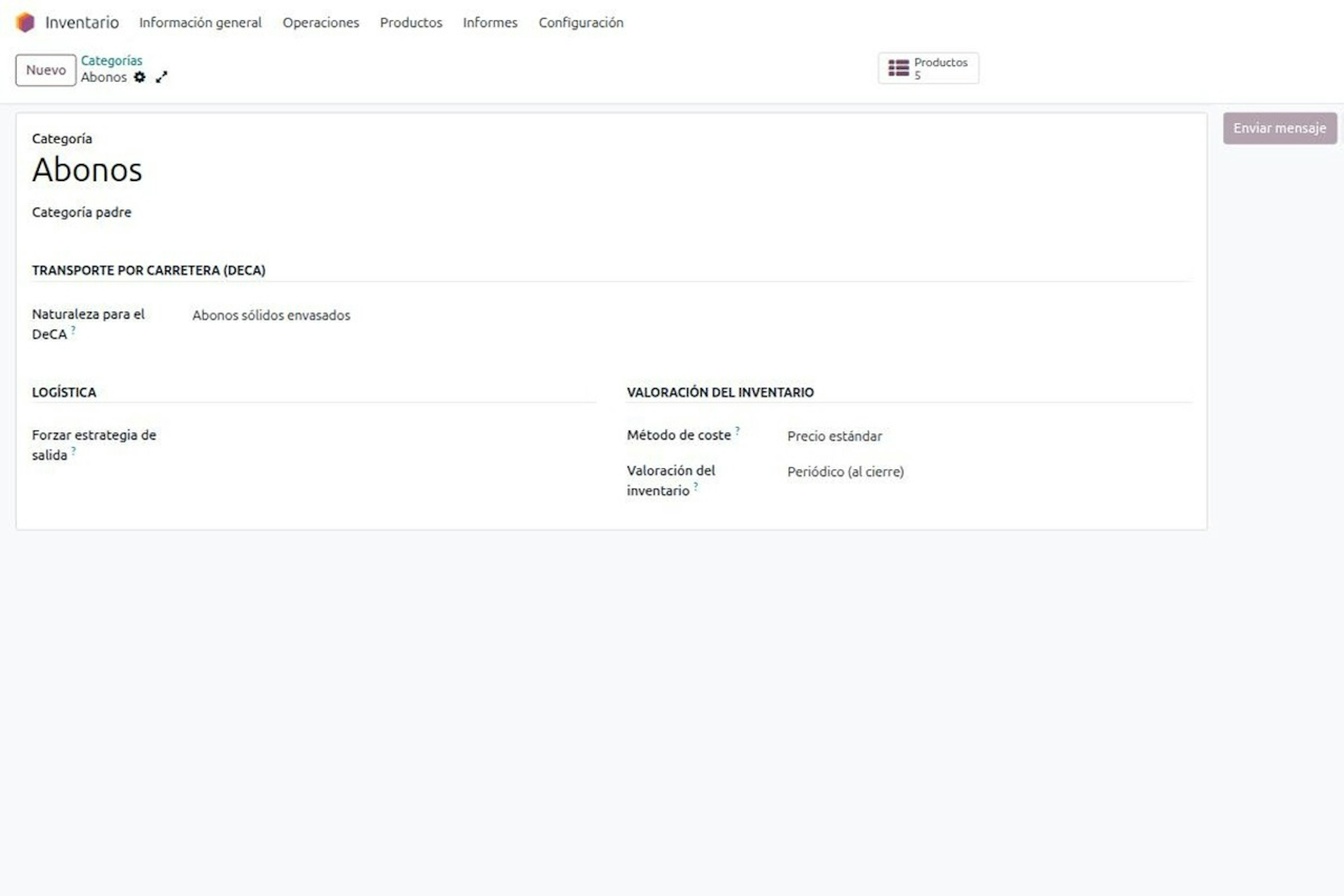
8-minute read
DeCA in Odoo for distribution companies: comply even without trucks.
If you distribute with Odoo and contract the transport, the DeCA binds you even if you own no truck, and you will usually be the one issuing it. What data you supply, why it is already on your delivery order and what daily work looks like.
8-minute read
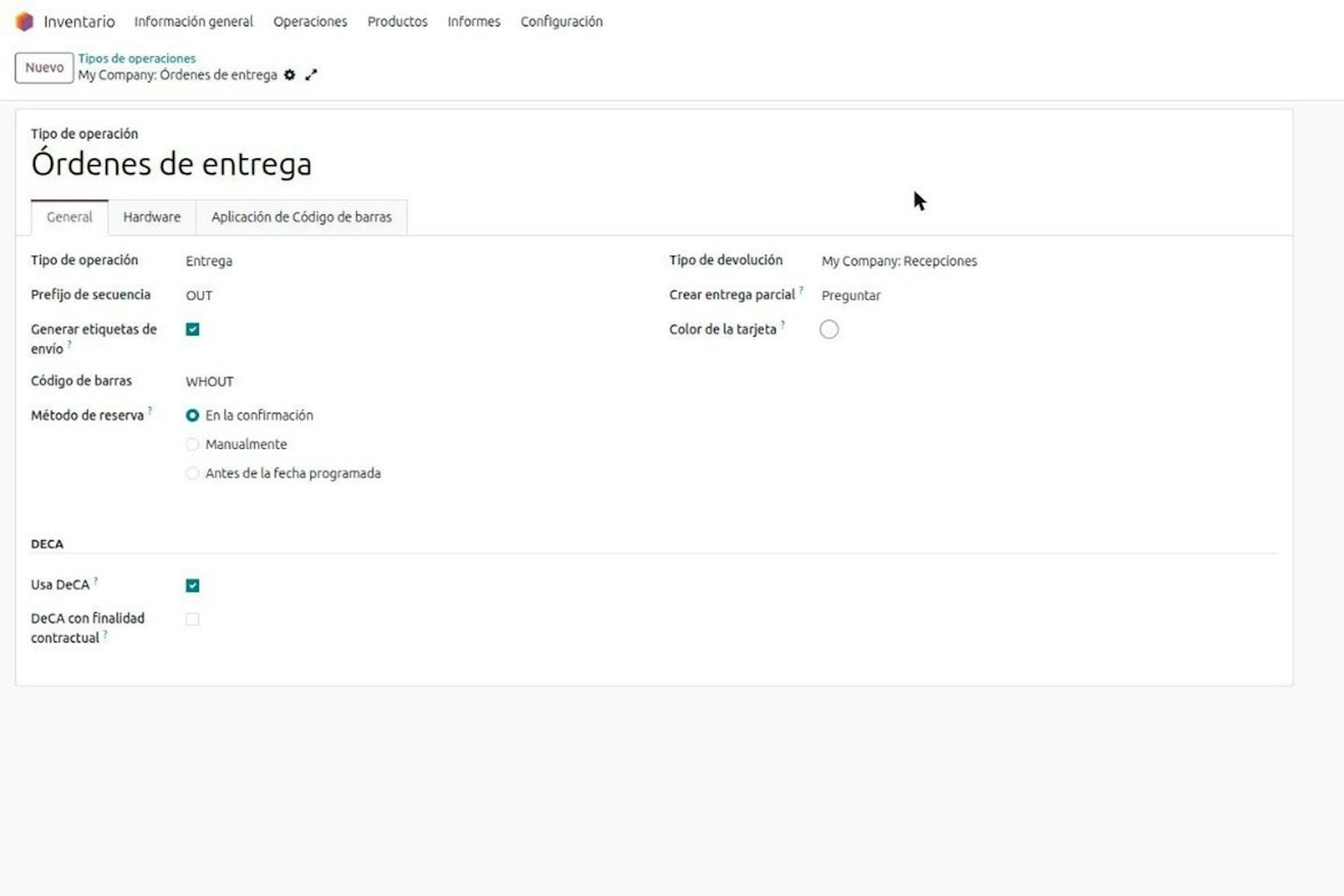
Who must issue the DeCA: both parties, and in Odoo you decide it on each delivery order.
The DeCA binds both the contractual shipper and the actual carrier, even if you own no trucks. Five questions to find out which one you are and how it shows on each Odoo delivery order.
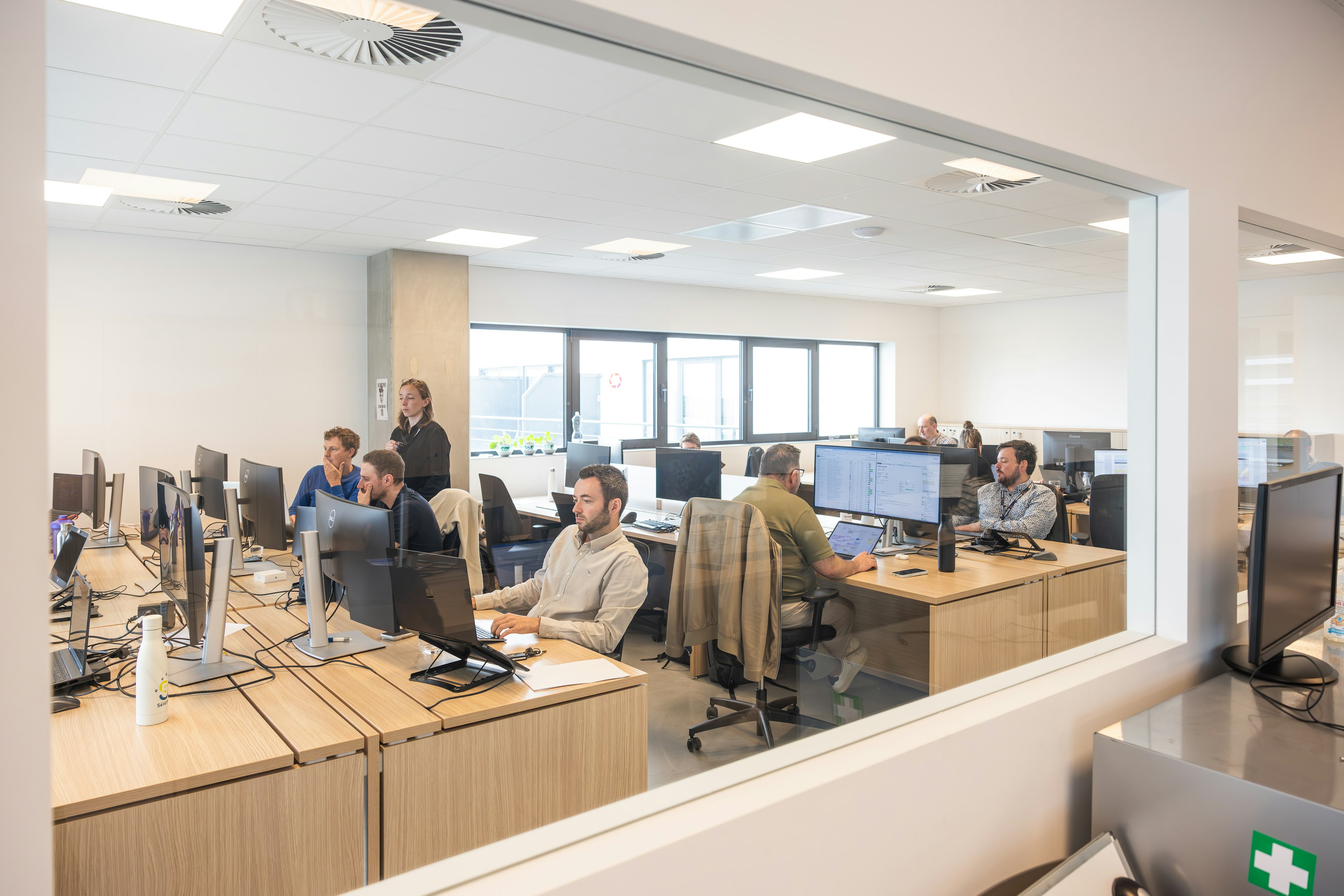
Odoo Partner in Barcelona
Odoo Partner in Barcelona
Odoo Implementation, Consulting, and Support for Businesses in Barcelona
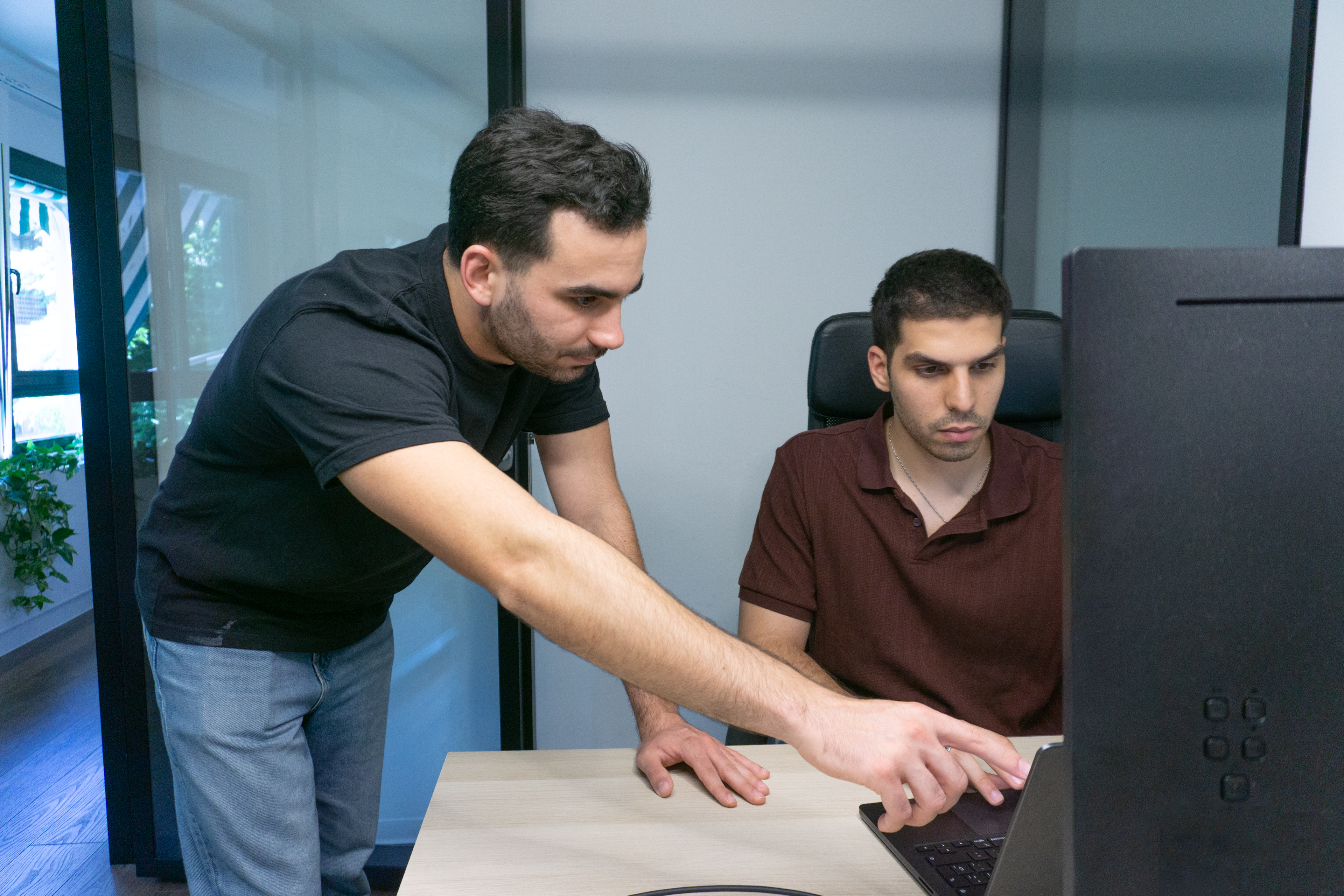
Odoo Partner in Madrid
Odoo Partner in Madrid
Odoo Implementation, Consulting, and Support for Companies in Madrid

Odoo Partner in Alicante
Odoo Partner in Murcia
Odoo Implementation, Consulting, and Support for Businesses in Murcia

Odoo Partner in Murcia
Odoo Partner in Murcia
Odoo Implementation, Consulting, and Support for Businesses in Murcia
Odoo Consultants
Odoo Consultants
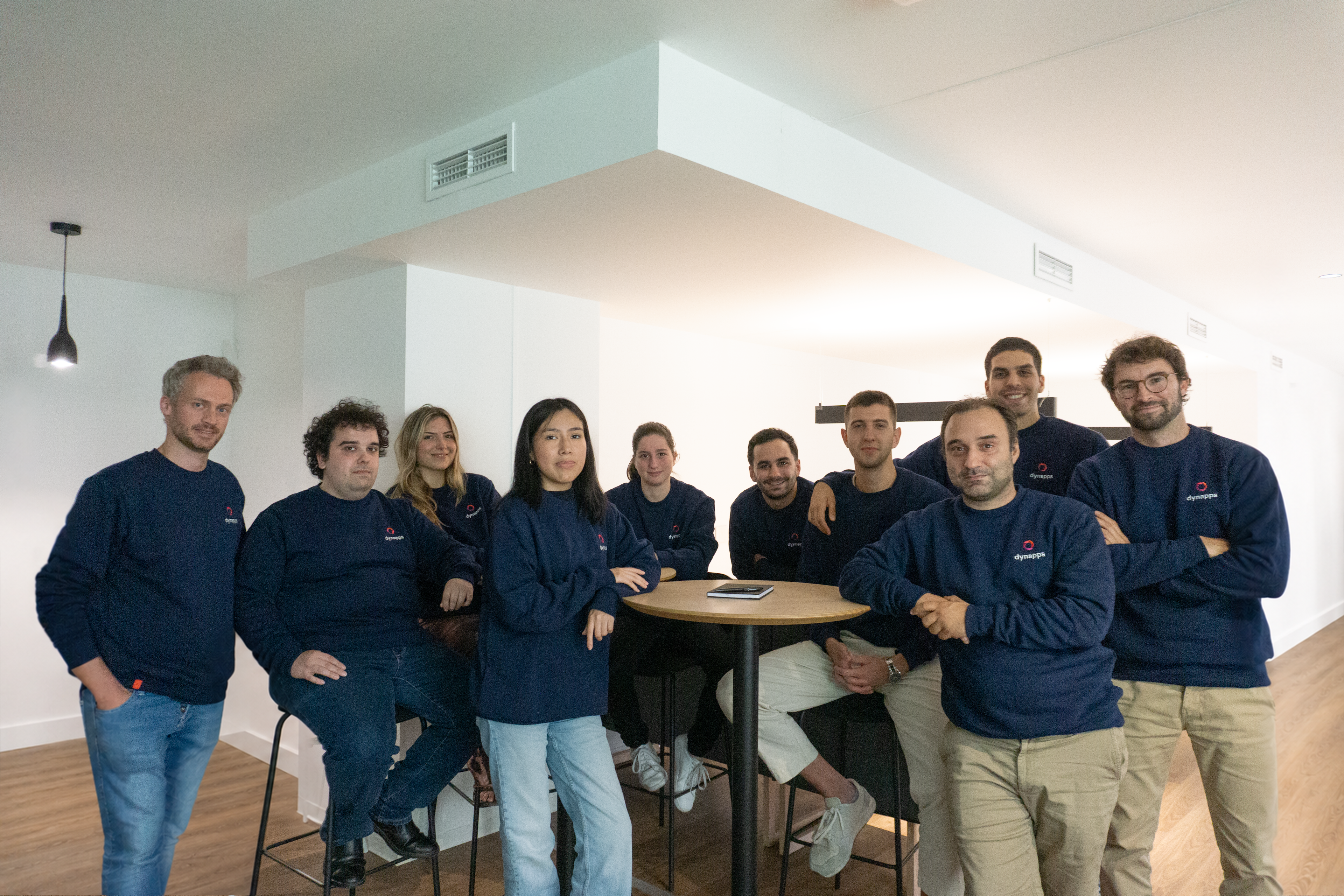
At Dynapps, we’ve been working as Odoo consultants in Spain since before we wrote the first line of configuration code: we understand your business, prioritize what truly adds value, and only then do we design the solution.