Odoo vs. Zoho: Which One Is Better?
Odoo and Zoho are two popular ERP platforms that offer CRM, invoicing, project management, and customer service, but they differ in architecture, flexibility, and scalability. In this article, we compare both solutions so you can determine which one is best for your business. Dynapps, an Odoo Gold Partner, helps you make the right decision and implement it successfully.
1. Overview of Odoo and Zoho
What is Odoo?
Odoo is a modular ERP system that covers all areas of business management: sales, accounting, manufacturing, inventory, HR, projects, marketing, and more. It is available in two versions: Community (free) and Enterprise (paid). Its open-source architecture makes it highly customizable, and it can be deployed both in the cloud and on on-premises servers.
What is Zoho?
Zoho is a 100% SaaS suite that offers more than 45 applications for business management: CRM, finance, project management, HR, email, marketing automation, and more. It is marketed as an all-in-one solution, but it is a closed system, which limits customization in more complex environments.
2. Pricing and Licensing
Odoo
Community: 100% free.
Enterprise: starting at €31.10 per user per month, with access to all apps.
One App Free: a free plan for a single app with unlimited users.
Zoho One
Full license starting at $20 per user per month when purchased for the entire company.
Higher-tier plans start at $35, $50, or $65 per user per month, depending on the features.
Odoo offers more flexibility in terms of licensing and hosting options, while Zoho is limited to its own infrastructure and SaaS models.
3. Ease of use and interface
Zoho stands out for its clean interface, which is ideal for users without technical expertise. Odoo, on the other hand, combines simplicity with power, offering visual workflows (Kanban, calendar, Gantt, etc.) that can be customized for each business.
Both tools are easy to use, but Odoo requires a slightly steeper learning curve if you want to fully leverage its potential.
4. Scalability and performance
Odoo can be installed on your own servers, on VPS, in public clouds, or on the Odoo.sh platform, allowing you to customize performance, storage, and security according to your company's needs.
Since Zoho is 100% SaaS, it scales internally on its own servers. While this is sufficient for small businesses, it may be limiting for companies that require full control or a customized infrastructure.
5. Security and Compliance
Both platforms offer robust security measures (data encryption, access management, backups), although Odoo stands out for providing full control over the infrastructure and data in on-premises deployments or in the customer’s private cloud.
In industries where regulatory compliance or privacy are critical, this flexibility of Odoo is a significant advantage.
6. Advantages and disadvantages
Benefits of Odoo
Modular, scalable, and customizable.
It is suitable for any industry or company size.
It can be deployed on-premises or in the cloud.
An active community and thousands of additional modules.
Deep integration between apps.
Disadvantages of Odoo
Professional implementation is required if you are looking for a customized solution.
A steeper learning curve in complex environments.
Benefits of Zoho
Easy to use right from the start.
Affordable licensing for small teams.
Comprehensive cloud-based suite.
Disadvantages of Zoho
Does not include a full-featured ERP system.
Customization limitations.
Total reliance on its infrastructure.
7. What does the future hold for Odoo and the ERP market?
Odoo It has been on the market for over 10 years and is used by organizations of all sizes, from small and medium-sized businesses to large corporations. In addition, it stands out as one of the management systems with strongest market growth, with a reported annual increase of more than 50% over the past two years and a long-term projection that positions it as one of the future leaders of the overall market.
8. What if you want to switch platforms?
Many companies start with a simple solution like Zoho and, as they grow, migrate to Odoo to gain more control, automation, and customization. In these cases, having a partner like Dynapps makes the process easier:
Functional and technical analysis.
Data export and processing.
Configuring equivalent modules.
Ongoing training and support.
Both Odoo and Zoho are excellent management platforms, but they cater to different needs. Odoo stands out for its power, adaptability, and comprehensive approach, making it ideal for companies with growth ambitions and complex processes. Zoho, on the other hand, is a fast and lightweight solution for those who prioritize simplicity and ease of use.
If you're looking for a tool that will support your business today and in the future, Odoo is the most comprehensive and scalable option. With Dynapps' support, you can implement it securely, efficiently, and tailored to your business needs.
Discover what Odoo can do for your business.
An initial meeting to see if we're a good fit, followed by a demonstration tailored to your processes.
More posts like this
8-minute read
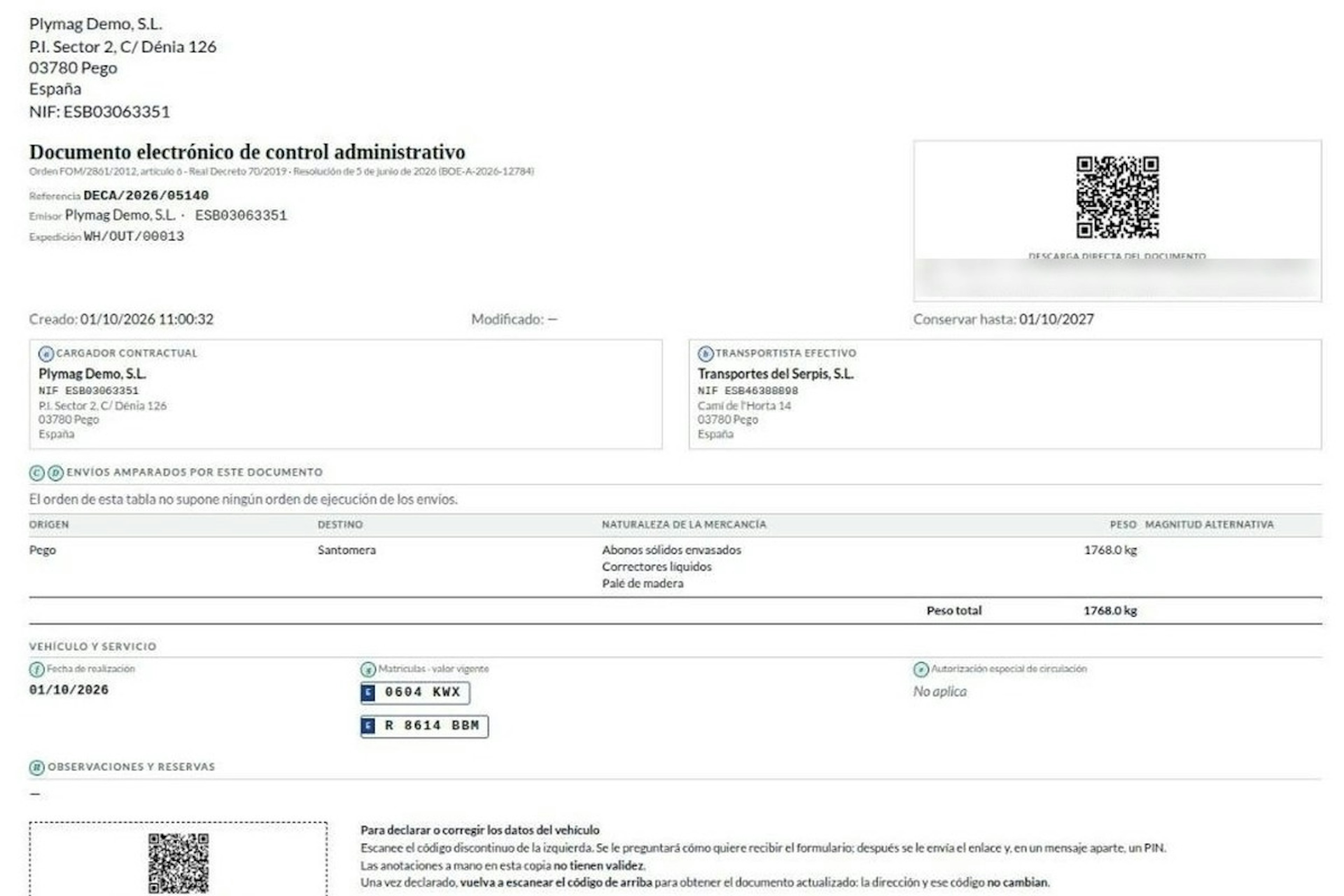
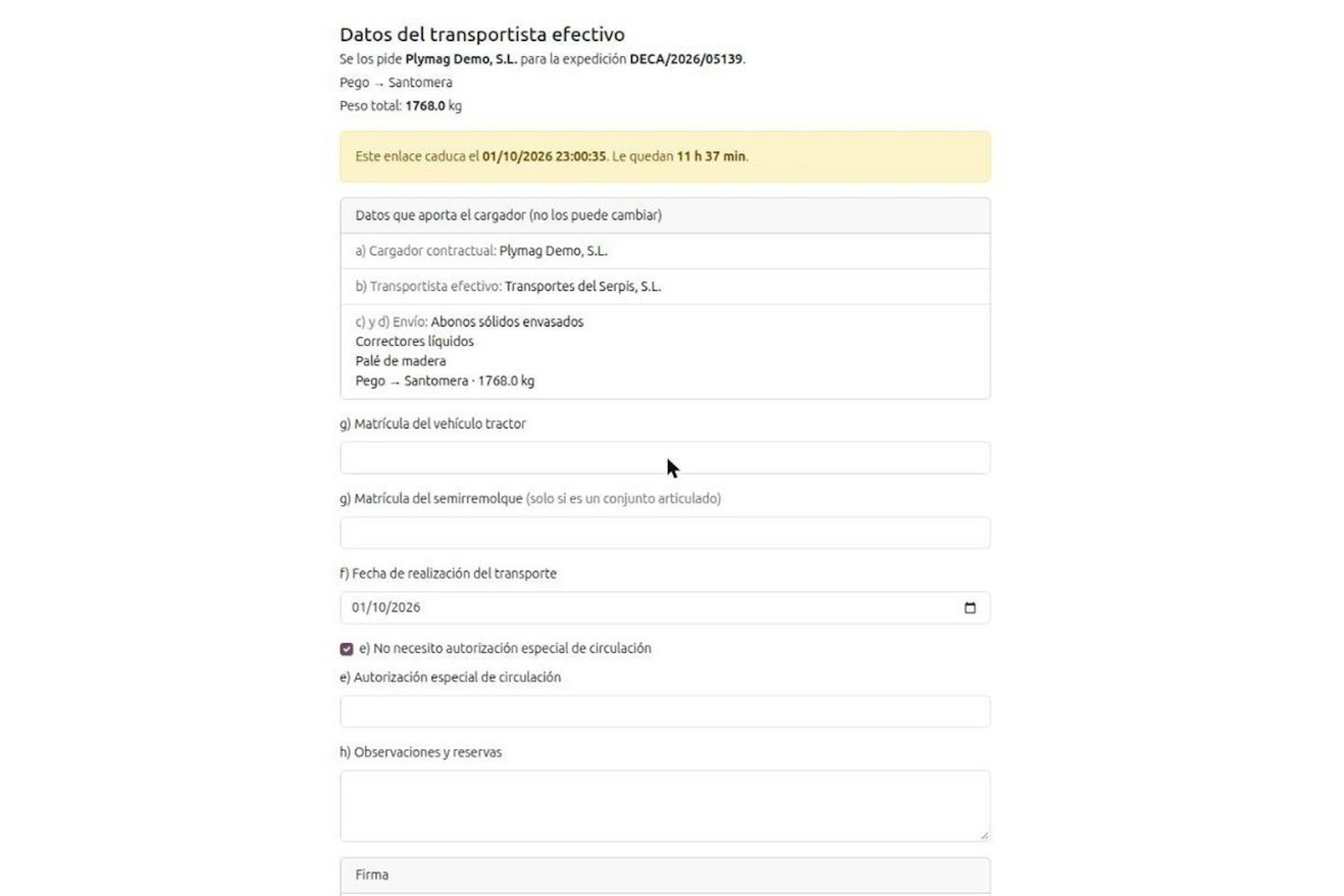
How the DeCA works in Odoo when the truck changes on the road: QR, secure link and PIN.
A breakdown, a different semi-trailer, a reservation about the load: this is how the DeCA is amended in Odoo during transport, with two QR codes, a link only the carrier receives and a six-digit PIN.
8-minute read
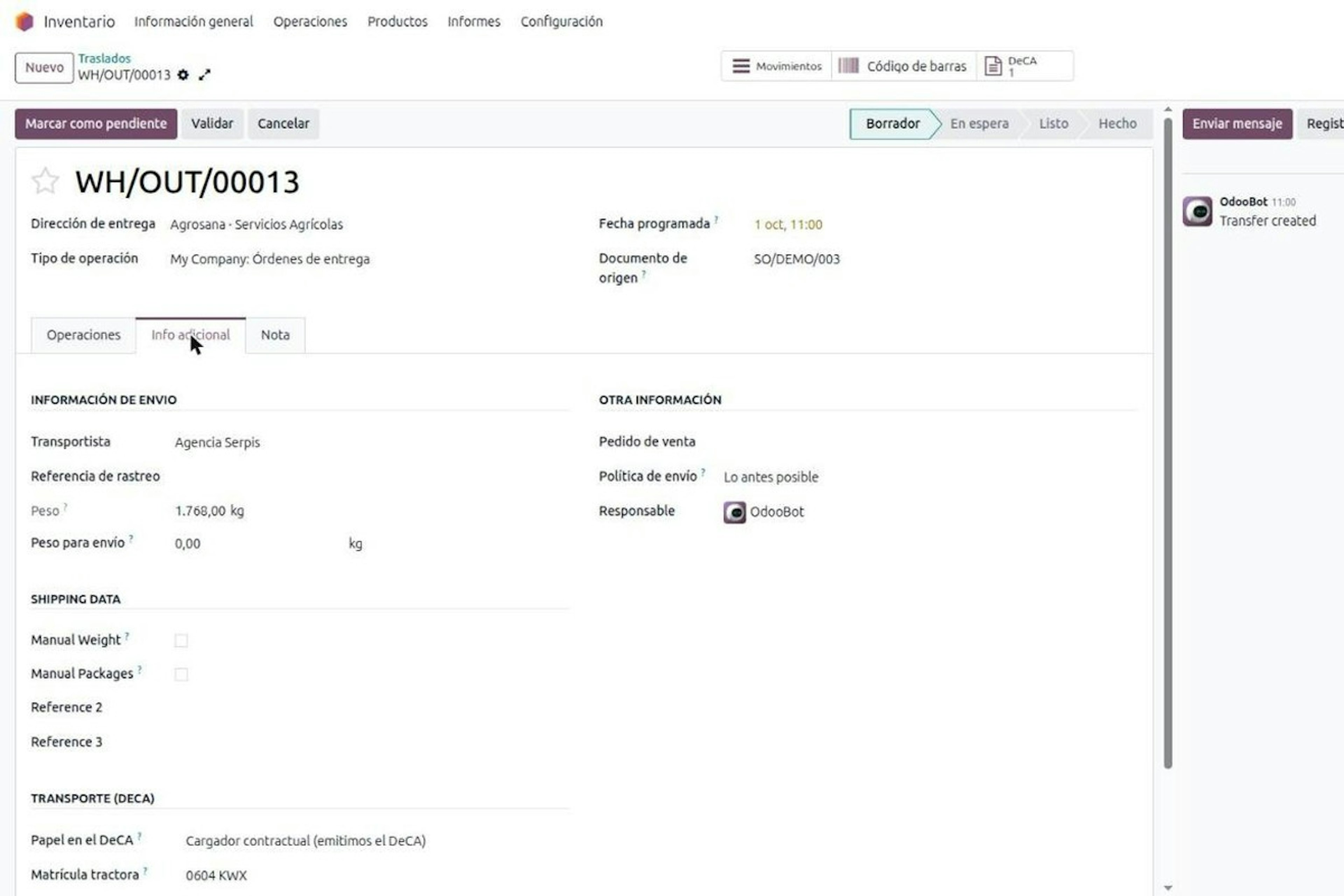
DeCA for transport companies with Odoo: you supply your data by link and issue it when you subcontract.
As the actual carrier, the DeCA binds you, but you will usually supply the special authorisation, date and plates through the link your client's Odoo sends you. When you subcontract, you will normally issue it from your own Odoo.
13-minute read
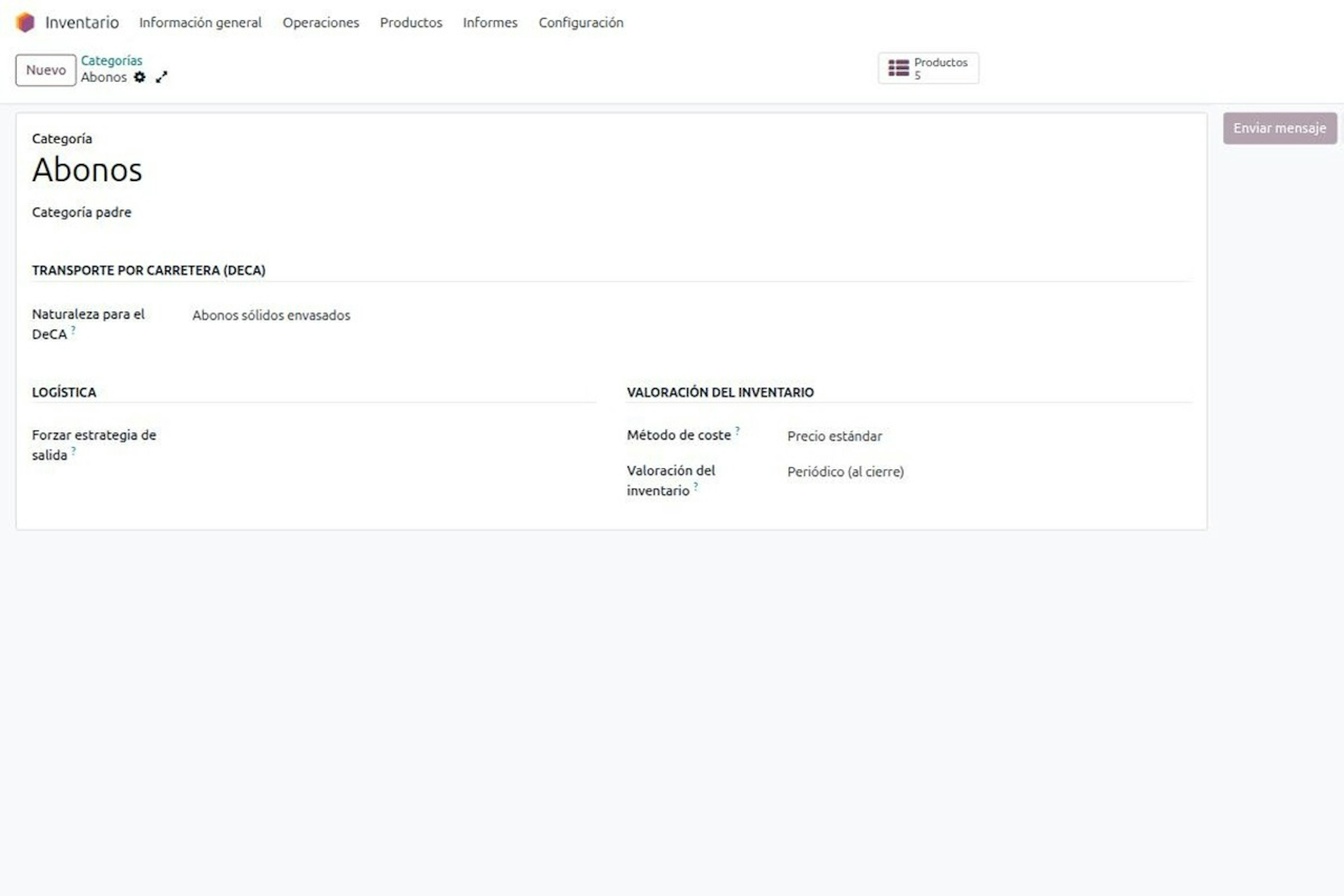
DeCA in Odoo: the transport control document, issued from the delivery order.
The DeCA is mandatory from 5 October 2026. If you run Odoo, you issue it from the delivery order with no separate tool, and the carrier adds the plate from their phone.
8-minute read
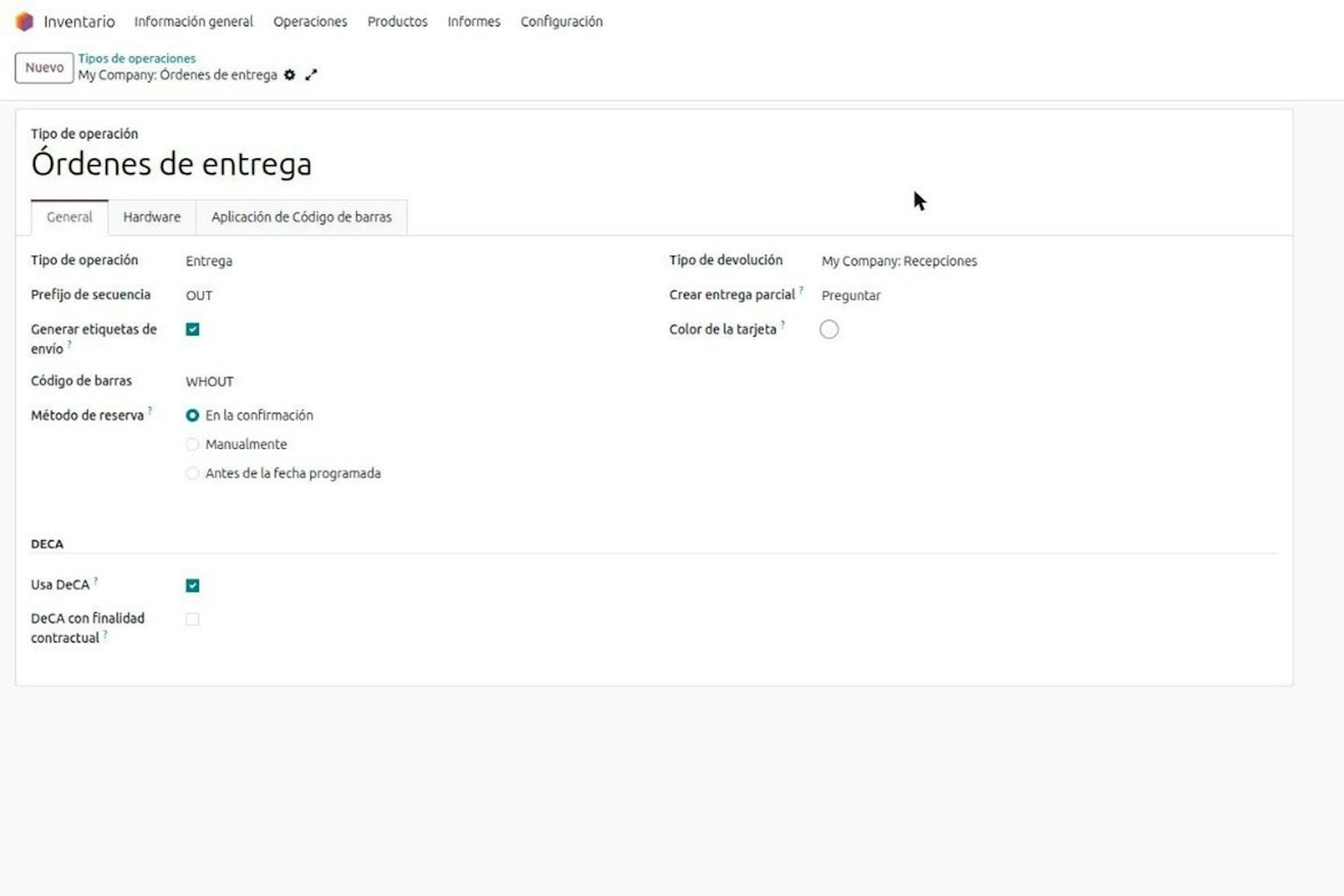
DeCA in Odoo for distribution companies: comply even without trucks.
If you distribute with Odoo and contract the transport, the DeCA binds you even if you own no truck, and you will usually be the one issuing it. What data you supply, why it is already on your delivery order and what daily work looks like.
8-minute read
Who must issue the DeCA: both parties, and in Odoo you decide it on each delivery order.
The DeCA binds both the contractual shipper and the actual carrier, even if you own no trucks. Five questions to find out which one you are and how it shows on each Odoo delivery order.

Odoo Partner in Barcelona
Odoo Partner in Barcelona
Odoo Implementation, Consulting, and Support for Businesses in Barcelona

Odoo Partner in Madrid
Odoo Partner in Madrid
Odoo Implementation, Consulting, and Support for Companies in Madrid

Odoo Partner in Alicante
Odoo Partner in Murcia
Odoo Implementation, Consulting, and Support for Businesses in Murcia

Odoo Partner in Murcia
Odoo Partner in Murcia
Odoo Implementation, Consulting, and Support for Businesses in Murcia

Odoo Consultants
Odoo Consultants
At Dynapps, we’ve been working as Odoo consultants in Spain since before we wrote the first line of configuration code: we understand your business, prioritize what truly adds value, and only then do we design the solution.