New Time Tracking Law for Workers 2026

The new 2026 Employee Time Tracking Law marks a turning point in time management in Spain, with clearer and more stringent requirements. If you manage a team, this guide will help you move from uncertainty to a concrete compliance plan. You’ll see what’s changing, how to document everything, and which processes to adjust to leave no loose ends. Plus, you’ll learn why an integrated solution simplifies audits and prevents human error. As Odoo Gold Partner Dynapps drives implementations that comply with regulations and focus on measurable results. We offer a practical roadmap that includes audit criteria, payroll integration, and productivity metrics. The goal: to ensure strict compliance, improve efficiency, and enhance the quality of information. If you’re concerned about ROI, we also review opportunities for cost savings and scalability. We start with the legal framework and conclude with a step-by-step guide on how to implement it.
Background and Scope of the New Time-Tracking Law
The new 2026 Employee Time Tracking Law was enacted to address gaps in oversight and traceability left by previous regulations. It applies to all employment relationships, regardless of company size or industry, and covers in-person, hybrid, and remote work arrangements. The regulator prioritizes accuracy, accessibility, and data retention so that records can be verified during inspections. This requires moving from loose sheets and manual clock-ins to centralized systems with time stamps and digital signatures. Companies with multiple locations or staggered shifts will need approval workflows and standardization. Regular monitoring and segregation of duties minimize risks. A single platform, with permissions and logs, accelerates compliance and internal auditing. To understand the ERP’s comprehensive approach, many companies start with this resource: What is Odoo?
Background and Previous Legislation (Law 8/2019)
Law 8/2019 established the recording of working hours as a general requirement, but without providing detailed specifications regarding formats or controls. Starting in 2026, the focus will shift to digital evidence and the secure preservation of data. It clarifies which fields are essential, how to track breaks and overtime, and how often to consolidate the information. This advancement reduces disparate criteria and facilitates more objective inspections. It also promotes interoperability with payroll and HR systems to avoid inconsistencies. The message is clear: management must be systematic and auditable. Therefore, it is advisable to align technology, processes, and responsibilities from day one.
Scope of application and affected companies
The new 2026 employee time tracking law applies to all companies and all types of work schedules. SMEs, due to their widespread presence, benefit from lightweight yet robust solutions that consolidate data in real time. Time tracking for remote work requires reliable, tamper-proof clock-in mechanisms, regardless of the device. Workplaces with rotating shifts or irregular schedules must account for changes and compensations. Integration with work calendars and absence tracking reduces errors and the need for recalculations. Additionally, data accessibility for employees is mandatory. A unified system streamlines each of these requirements without duplicating tasks.
Key Changes and Requirements of Law 2026
The regulatory update reinforces the accuracy, integrity, and availability of the record. It requires time-stamped clock-in and clock-out entries, breaks, and verifiable overtime calculations. Minimum retention periods and the possibility of internal audits raise the technical bar. Access criteria for employees and labor authorities are also defined. Document management must allow for audit trails, traceable corrections, and secure copies. At the same time, penalties are being tightened for tampering or the absence of records. All of this promotes a preventive, data-driven approach.
Daily Work Log: What It Should Include
The system must record the start and end of the workday, actual breaks, and overtime, with a time stamp and the name of the person responsible. A daily total is not enough; traceability requires dated events and, where applicable, a digital signature. Adjustments must include a reason and visible approval for auditing purposes. For mobile teams, clocking in via an app or terminal ensures immediacy and consistency. The new 2026 employee time tracking law prioritizes complete data, so it is advisable to block edits that leave no trace. Reports must distinguish between regular hours, breaks, and overtime. This level of detail reduces disputes and streamlines inspections.
Data retention, auditing, and accessibility
Minimum retention spans several years, with secure copies and anti-tampering mechanisms. The company and each employee must be able to access their records clearly. Regular internal audits help identify inconsistencies and anticipate requirements. It is essential to define roles: who corrects, who validates, and who reviews. A single repository, with logs and version history, simplifies document defense. Exporting to standard formats speeds up responses to inspections. With this approach, compliance shifts from being reactive to becoming routine.
Penalties and fines for noncompliance
Failure to record data, data manipulation, or data inaccessibility are classified as violations with financial consequences. Penalties increase based on the severity and scope of the violation, so it is advisable to rely on solid evidence. Internal policies, training, and automated controls help reduce incidents. A dashboard with alerts for anomalous clock-ins or unclosed shifts prevents carryovers. The new 2026 employee time tracking law aligns penalties with systemic risk: the more opaque the process, the greater the exposure. Establishing compliance KPIs helps manage day-to-day operations. Prevention is the most cost-effective approach.
Operational Challenges for Spanish Companies
The first challenge is to standardize criteria across departments and locations. It is also advisable to review agreements and schedules to ensure consistency in calculation rules. Incident management (oversights, errors, schedule changes) must be resolved with clear, well-defined workflows. Communicating with the team prevents friction and increases adoption. Well-designed automation reduces repetitive tasks and downtime. Integrating the system with payroll, vacation, and absence tracking eliminates duplication. With a single database, time tracking shifts from an administrative burden to a management asset. Along this path, a sector-specific approach often helps: for example, optimizing movements and warehouses with Odoo in Logistics, or plan for growth with Odoo for businesses. And if you're a small company, it's worth exploring approaches to ERP for Small and Medium-Sized Businesses.
Adaptation of internal processes
Implementing time tracking requires mapping actual workflows—not assumptions—and clarifying responsibilities. Human Resources and Finance must coordinate validations, closings, and overtime calculations. Approval workflows and rounding rules must be documented to avoid misinterpretations. Integration with payroll and scheduling systems reduces errors and minimizes rework. A transition plan with controlled pilots allows for adjustments before full-scale deployment. Reviewing permissions and profiles prevents unauthorized access. With these foundations in place, daily operations become more stable.
Team training and communication
Adoption depends on each person understanding the why and how of the system. Brief manuals, videos, and Q&A sessions accelerate learning. It is essential to explain the impact on compliance with Labor Law 2026 and on internal transparency itself. Middle managers must be familiar with reports and alerts so they can take timely action. It is advisable to have a continuous channel for questions and suggestions for improvement. Measuring usage (log-in rates, resolved incidents) guides adjustments. With clear communication, the tool integrates seamlessly into daily routines.
Integration with payroll and HR systems
A standalone time-tracking system leads to more reconciliations and errors. Integrating with payroll, vacation, and absence data consolidates a single master dataset. Synchronization with projects and shift scheduling provides insight into actual workload. Cross-functional reports allow you to view hourly costs, variances, and trends. The architecture must account for growth and changes in labor agreements. Avoiding duplication simplifies monthly closings and audits. This approach turns time tracking into a driver of efficiency.
Benefits of digitizing time tracking with Odoo
Digitizing time tracking eliminates paperwork and improves data quality. With Odoo, clock-ins from mobile devices or terminals are instantly recorded in a shared repository. Managers can access dashboards and resolve issues with full traceability. Analytics show peaks, absences, and overtime by team or project. Integration with accounting and planning facilitates more informed decisions. Scalability allows you to add modules as the business requires. The result is a more agile, measurable, and auditable process.
Automation of real-time recording and monitoring
The app and terminals record clock-ins, clock-outs, and breaks with time stamps. Alerts notify users of open shifts, duplicate clock-ins, or unplanned absences. Adjustment workflows require a reason and validation, leaving a complete audit trail. Access by profile ensures that each role sees only what is necessary. Daily consolidation prevents backlogs at month-end. The new 2026 employee time tracking law thus gains an operational ally, not a bureaucratic formality. Fewer manual tasks, more effective control.
Productivity reports and analyses
Dashboards display regular and overtime hours by employee, team, or project. Managers identify bottlenecks and adjust schedules using reliable data. Comparing periods reveals trends and peak seasons. Filters by location, collective bargaining agreement, or workday provide granular insight. Exportable reports streamline audits and follow-up meetings. Integrating costs and targets allows you to see the impact on margins. With this insight, time is managed as a strategic asset.
Scalability and integration with other modules (projects, payroll, etc.)
Odoo grows alongside your business, adding modules for projects, expenses, or assets as needed. Interoperability prevents data silos and duplicate data entry. Dynapps’ Odoo time tracking consulting ensures a consistent architecture that is ready for legal changes. Data governance benefits from permissions, logs, and versions. Connectors with payroll and accounting prevent discrepancies. Standardization reduces maintenance costs. Thus, every update adds value without disrupting what already exists.
Dynapps Services for Implementing Time Tracking in Odoo
At Dynapps, we use a methodology focused on compliance and ROI, from initial assessment through ongoing support. We start by understanding your specific shift schedules, labor agreements, and facility details. We design clock-in and payroll processing workflows tailored to your operations. We implement dashboards with compliance and productivity KPIs. We train administrators and managers to resolve issues promptly. We keep the platform up to date with regulatory changes. All with a focus on stability and measurable results.
Expert consulting in Odoo HR and legal compliance
We conduct an analysis of processes, risks, and audit requirements. We define roles, permissions, and audit-traceable correction policies. We customize the Odoo time-tracking software to comply with the payroll rules of your collective bargaining agreement. We align reports with the needs of inspectors and the management committee. The new 2026 employee time tracking law guides every design decision. We document procedures to ensure repeatability. The goal: compliance without unnecessary bureaucracy.
Configuration and Implementation of the Time and Attendance Module
We configure calendars, shifts, and exceptions with clear validation rules. We integrate time tracking with payroll, vacation, and absence data to prevent discrepancies. We set up alerts, reconciliation workflows, and access profiles. We create dashboards with key metrics and standard reports. We conduct pilot tests with representative groups before full deployment. We establish a contingency and rollback plan if necessary. This ensures that the go-live is carried out with control and foresight.

Training, support, and post-launch maintenance
We design tailored training programs for users, managers, and administrators. We provide a support channel and an up-to-date knowledge base. We monitor adoption metrics and propose continuous improvements. We implement updates and adjustments to address new requirements or legal changes. We maintain backups and incident recovery procedures. Proactive support prevents downtime and ensures data quality. Your platform remains compliant with regulations and aligned with your business needs.
How to Get Started with Dynapps and Odoo for Time Tracking in 2026
We begin with a brief assessment to identify compliance gaps and opportunities for improvement. Based on that, we develop a realistic, phased plan with clear deliverables. The priority is to secure the data and reduce manual tasks as quickly as possible. We then roll out analytics and automation. The digitization of time tracking is accompanied by training and support from day one. We measure adoption and make adjustments as needed. Transparency and results guide the entire process.
Initial consultation and free diagnosis
Schedule a session to review your current situation, agreements, and schedules. We’ll identify risks and high-impact immediate actions. You’ll receive a report outlining the scope, timeline, and dependencies. We’ll also provide a proposal for compliance and productivity metrics. We’ll agree on pilot projects to validate before scaling up. Management buy-in is key from the start. With that foundation, moving to production is easier.
Project plan, timeline, and budget
We define phases with measurable milestones and acceptance criteria. We estimate timelines based on locations, shifts, and integration complexity. The budget is structured by deliverables for maximum clarity. We prioritize quick wins that build trust and deliver early returns. We document processes to ensure they are replicable. Project governance prevents deviations. With focus and discipline, the rollout proceeds smoothly.
Ongoing support and updates
After implementation, we monitor KPIs and make regular adjustments. We incorporate functional improvements and legal changes as they arise. We provide ongoing training for staff rotations and new roles. We conduct scheduled reviews of permissions and internal audits. We ensure backups and incident response procedures are in place. The platform evolves with your business without compromising stability. This ensures your Odoo time tracking software is always ready.
Discover what Odoo can do for your business.
An initial meeting to see if we're a good fit, followed by a demonstration tailored to your processes.
More posts like this
4 min read
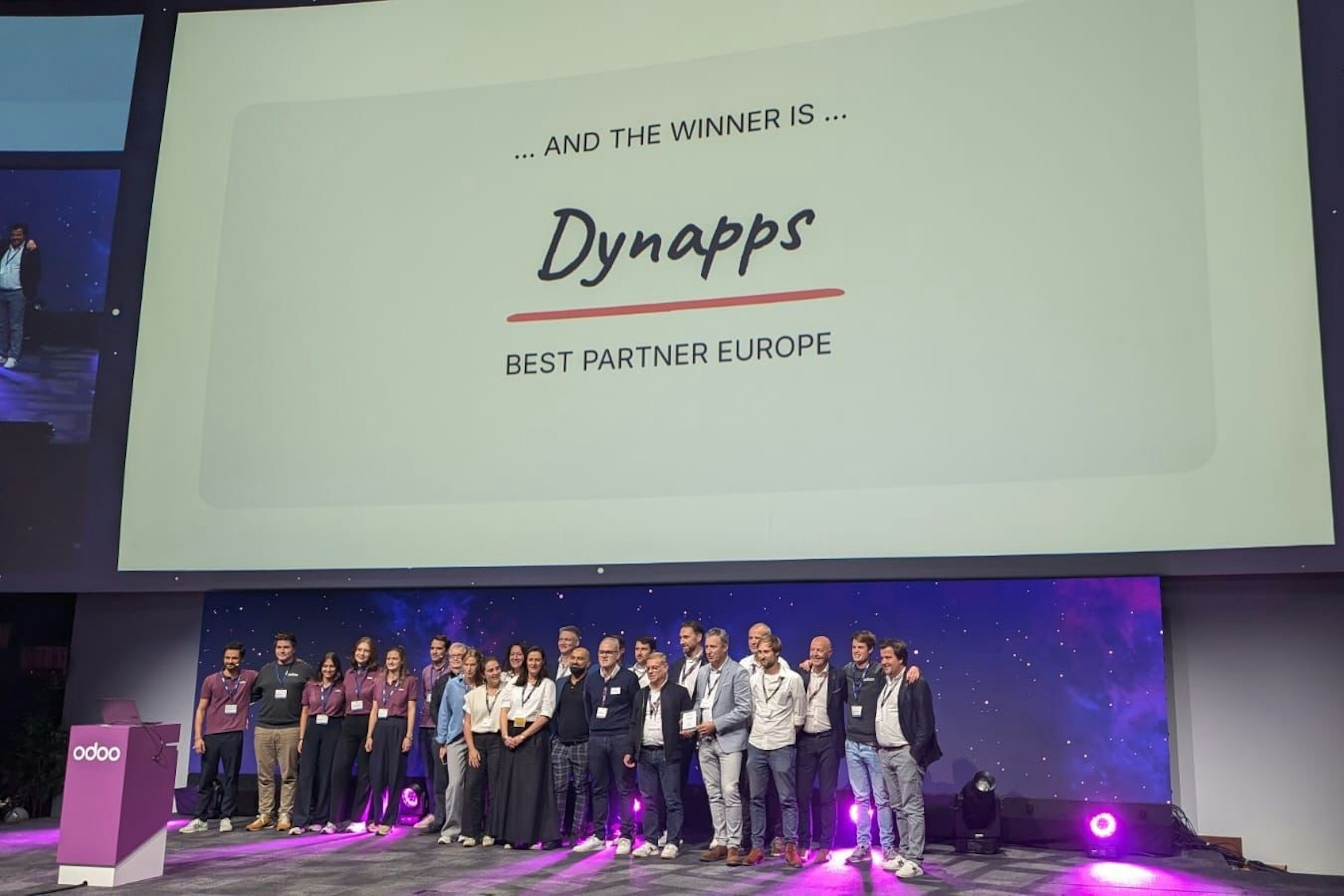
Dynapps named Best Odoo Partner in Europe
At the Odoo Experience Days in Brussels, Dynapps won the title of Best Odoo Implementation Partner in Europe, with former CEO Karel Hendrickx and the team collecting the award on 2–4 October 2024.
4 min read
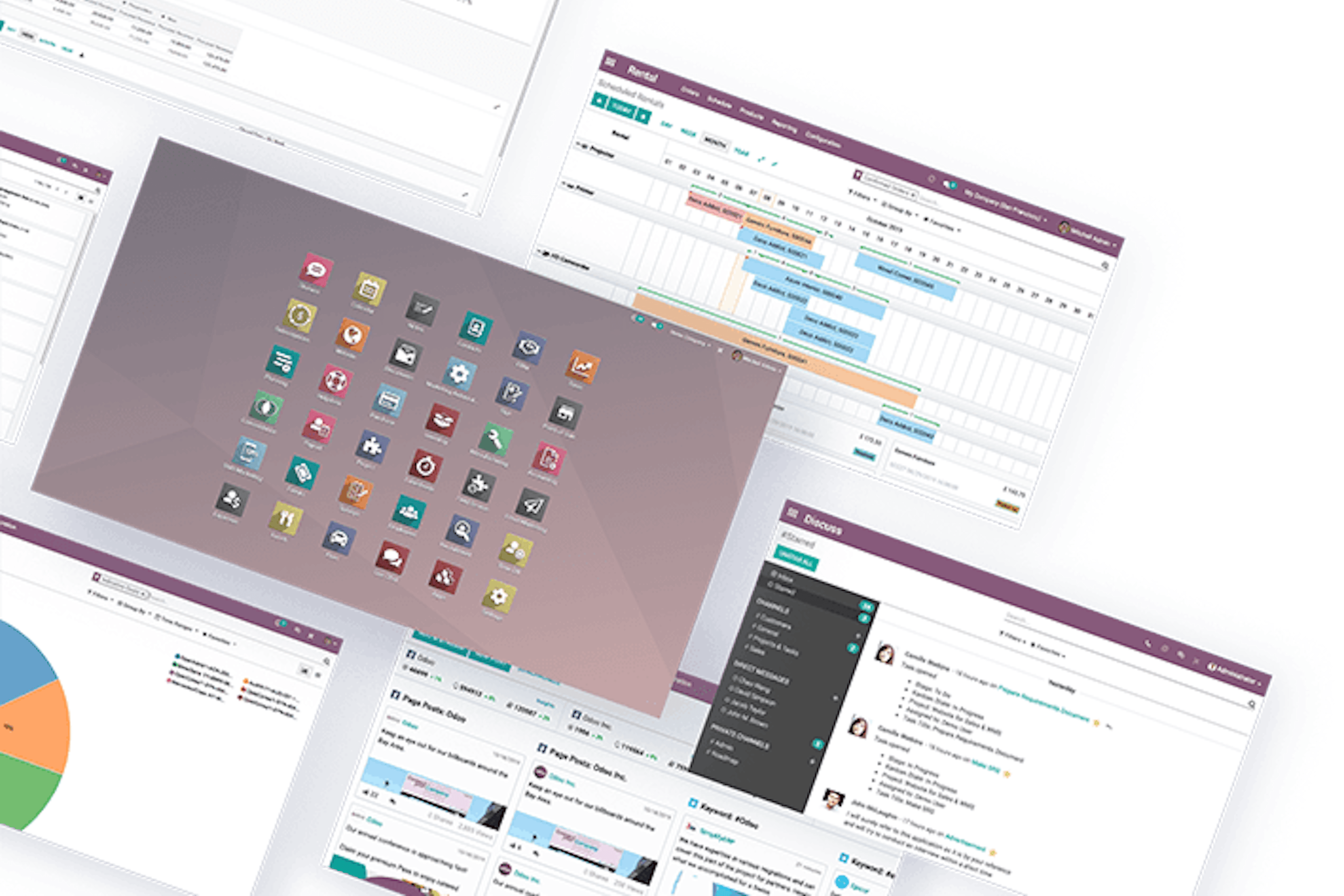
ERP vs CRM: what is the difference?
In a competitive market, businesses lean on software to operate efficiently. Two systems come up most: ERP and CRM. They serve different purposes, and they often work better together than apart.

6 min read
Odoo or Exact: which ERP fits your SME?
Choosing an ERP changes how the business runs. Odoo and Exact both target SMEs, but they solve different problems. This is a side-by-side read on functionality, flexibility, support, and where each one fits.
4 min read
Odoo vs AFAS: comparing two ERP systems built for SMEs in NL and BE
A side-by-side comparison of Odoo and AFAS, two ERP systems built for SMEs in the Netherlands and Belgium. It weighs flexibility, user-friendliness, support, integrations and cost per system.
June 10, 2026 - 3-minute read
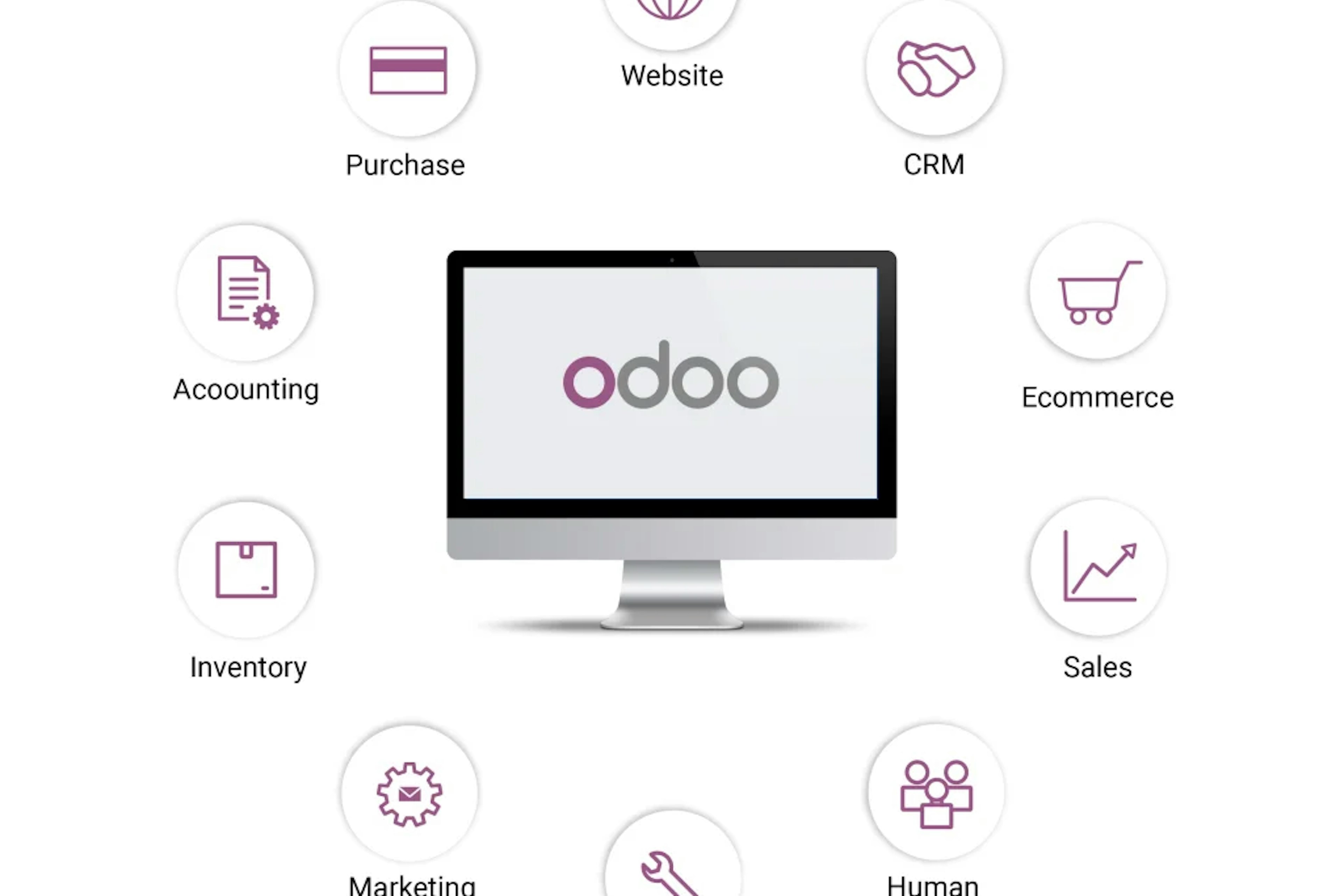
10 Tips for Improving Your Productivity in Odoo

5-minute read
5 Artificial Intelligence Tools You Can Use in Odoo 19

8-minute read
Top 10 Time Tracking Software [2026 Comparison]
8-minute read
How to Integrate WhatsApp with Odoo to Improve Communication with Your Customers
8-minute read
7 Benefits of Implementing Odoo in Your Business

8-minute read
Key Tips for Integrating Odoo with WooCommerce