Digital Transformation: What It Is and How to Implement It in Your Company
Digital transformation is a strategic necessity, not just a trend. It requires adopting new technologies and fundamentally changing how you operate, interact with customers, and manage processes. At Dynapps, we guide you through what digital transformation is, why it matters, and how to implement it to achieve tangible, sustainable benefits.
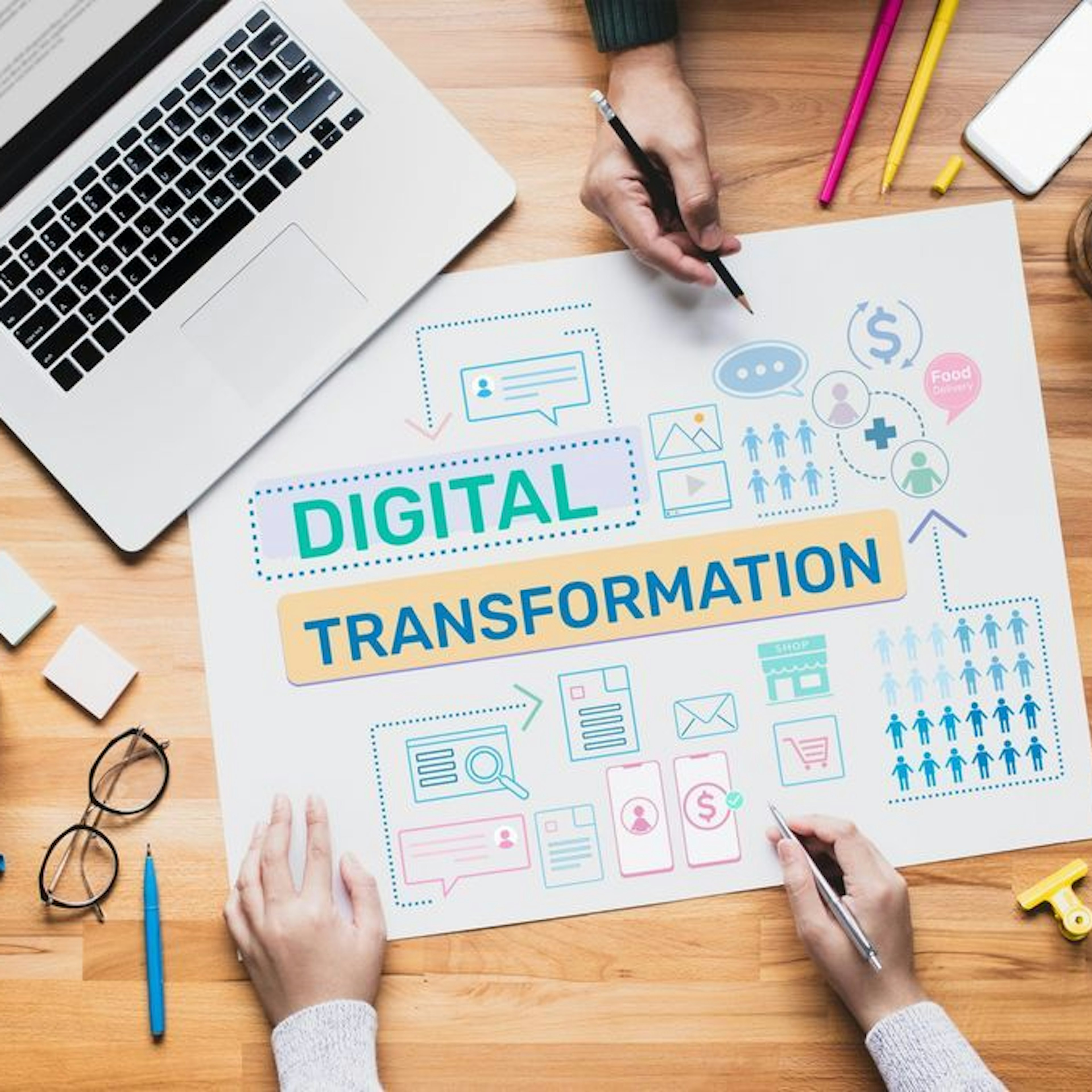
What is digital transformation, and why is it important?
The Digital transformation is a process through which companies adopt and use digital technologies to modify or create new business processes, corporate culture, and customer experiences. It involves the use of emerging technologies to generate value, improve operational efficiency, and transform how the company interacts with the market.
Definition and differences between digitization and digital transformation
The Digital transformation is a process holistic which incorporates advanced technology into every aspect of the business. Its mission is to redefine how companies operate and deliver value to their customers. Although it relates to digitization, the digital transformation process is something entirely different.
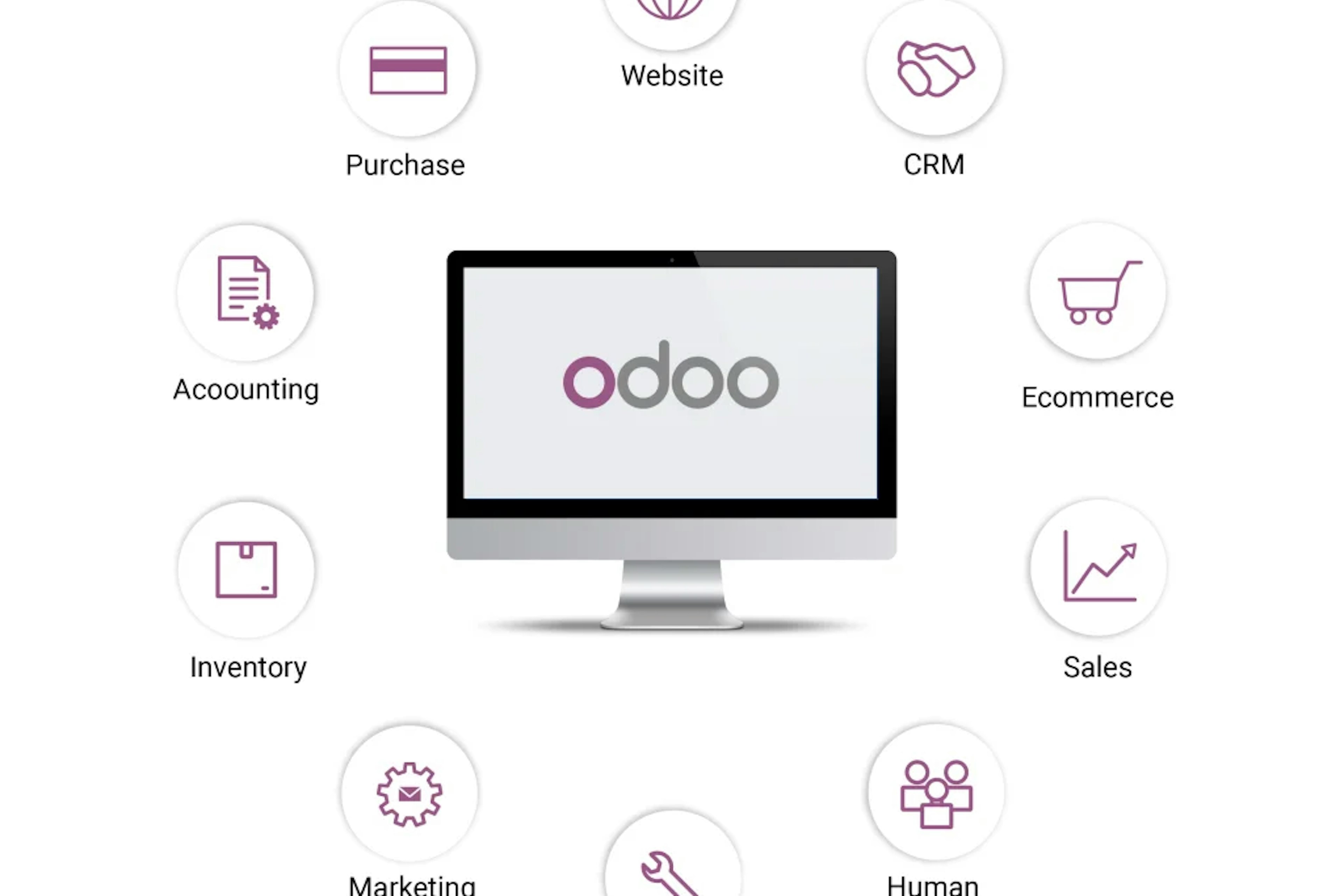
On the one hand, digitization refers to the process of converting analog data into digital form. An example of this is using a spreadsheet to track inventory instead of using paper. The digital transformation It encompasses a broader strategy that impacts organizational culture, workflows, and the customer experience. This includes, for example, the use of artificial intelligence for decision-making or the integration of business management platforms such as Odoo.
Key Benefits of Digital Transformation for Businesses
The digital transformationIt offers countless benefits to companies that decide to implement it effectively. These are actions that give any business a competitive edge.
Greater efficiency and process automation
Digital technologies allow you to automate repetitive tasks, reducing the time and costs associated with these manual processes. For example, the use of systems software such as Odoo It allows you to integrate different areas of the business, from inventory management to billing and accounting. This eliminates the need for redundant tasks, improves data accuracy, and allows employees to focus on value-added activities.
Innovation and market differentiation
The adoption of technology enables companies to be pioneers in their industries, by launching innovative products and services that stand out from the competition. For example, the integration of artificial intelligence provides insights into customer behavior and market trends. The ability to adapt and the speed of development processes result in a unique market position.
Optimizing the customer experience
The customer experience is one of the most important factors in the success of any business. Today's customers expect a seamless and personalized experience, whether in-store, online, or through mobile apps. The digital transformation enhances this experience by implementing integrated digital platforms, which enable more efficient communication and more precise personalization.
Increased productivity and reduced costs
To the integrate processes and improve resource management, companies not only increase their productivity but also reduce operating costs. For example, Odoo helps reduce excess inventory and improve resource management. From efficient supply chain management to energy optimization, the long-term impact on profit margins is significant.
Greater ability to adapt to change
Adapting to change is a challenge in any digital transformation process. Companies that fail to digitize face numerous challenges. In contrast, digital transformation enables companies to be more agile and respond quickly to market changes or customer demands. Furthermore, digital tools provide real-time data that can help make quick and well-informed decisions, which improves their ability to remain competitive.

Key steps in the digital transformation process
Implementing a successful digital transformation process in your company involves a series of strategic steps. Each phase is essential to ensuring that the digital transformation is effective, sustainable, and aligned with business objectives.
1. Assessment of the company’s current digital status
As expected, the digital transformation process begins with a comprehensive assessment of the company’s current digital state. This involves evaluating how processes are carried out, the existing technological infrastructure, and employees’ ability to adapt.
Digital diagnostics and opportunity identification
The first step is to perform a comprehensive assessment of current operations, identifying processes that could benefit from digitization. This phase may include technology infrastructure audits, workflow analyses, and interviews with key teams. For example, if the company still relies on email for project coordination, this needs to be improved.
Analysis of technological and operational gaps
Once you have a clear picture of the current situation, identify the gaps between your current skills and future needs. This could range from a lack of the right tools to technical skills that need to be developed within your team.
2. Defining objectives and digital strategy
Clear objectives are essential to ensuring that every step in the digital transformation is aligned with the company's goals. This phase is crucial to ensuring that all efforts do not go to waste.
Setting SMART Goals for Digital Transformation
For goals to be achievable, they must be SMART: specific, measurable, achievable, relevant, and time-bound For example, a SMART goal could be "to reduce order processing time by 30% over the next 6 months by implementing an ERP system." This goal is clear, measurable, and has a set deadline, which makes it easy to track.
Identification of priority areas for digitization
Focus on the areas with the greatest potential impact, such as customer service, logistics, or finance since these are the ones that will have the greatest impact on operational efficiency and the customer experience. These priorities must be aligned with the organization’s overall goals.
3. Selection of digital tools and technologies
The next step is to select the right digital tools and technologies to support the transformation. Making the right choice ensures that the digitization process is successful and scalable.
ERP, CRM, and Artificial Intelligence in Digital Transformation
One of the One of the key tools in digital transformation is ERP (Enterprise Resource Planning), which integrates all business processes into a single system. In addition, there is the implementation of CRM (Customer Relationship Management) that can improve customer relationship management and artificial intelligence (AI) that can help you make informed decisions by analyzing data and automating tasks. All of these features are available in Odoo.
Cloud computing and process automation
The cloud computing (cloud computing) is a technology that allows access to data and applications from anywhere and on any device. It is ideal for the digital transformation process because it enhances teams’ flexibility and agility. Process automation tools streamline repetitive and manual tasks, such as data entry or order tracking, which reduces errors and improves efficiency. Both are key strengths of digital transformation with Odoo.
Big data and predictive analytics
Companies can also take advantage of the big data and predictive analytics to gain valuable insights into market and customer behavior. This data enables you to make informed decisions and anticipate market trends, giving you a significant competitive advantage.

4. Staff training and development
The digital transformation process It’s not just about technology; it also involves a cultural shift within the company. For it to be successful, the team must be ready to adopt and use the new technological tools.
Change Management and Cultural Adaptation
The change management is an essential component of the digital transformation processl. Companies must work on cultural adaptation, fostering an open mindset toward innovation and the adoption of new technologies. It is essential that employees understand the value of digitalization and how it will benefit the company as a whole. Clearly communicate the benefits and provide support during the transition.
Developing employees' digital skills
As new technologies are implemented, it is essential to provide ongoing training to employees. This includes training in the use of platforms such as Odoo, as well as broader digital skills such as data management, cybersecurity, and data analysis. This not only boosts productivity but also fosters engagement.
5. Phased implementation of digital solutions
The implementation of digital solutions It should not be done all at once. It is advisable to do it in phases to ensure a gradual transition and help the team adapt more easily.
Pilot tests and initial adjustments
Before a large-scale implementation, it is advisable to conduct pilot tests in specific areas within the company. In other words, it begins with pilot projects to test new technologies in a controlled environment. This allows the company to identify potential issues, make adjustments, and ensure that the system is functioning properly before its full-scale deployment.
Integration with existing processes
If you already have existing software or processes in place, it is important that digital solutions integrate seamlessly. This is recommended to ensure there are no disruptions to daily operations. The integration should be seamless, allowing all systems to work together.
6. Measuring Results and Continuous Improvement
Constant monitoring is essential to ensure that the investments in digital transformation produce the expected results. Without clear metrics, it will be impossible to know whether digitization is yielding the desired results.
Key Performance Indicators (KPIs) for Measuring Success
KPIs are essential for assess the success of the implementation. Some key performance indicators include cost reduction, increased productivity, improved customer experience, and higher sales. This information will help determine whether the digital transformation strategy is meeting its objectives.
Optimization Strategies and Digital Transformation
The Digital transformation is an ongoing process. Companies must be prepared to optimize and adapt their digital solutions over time. This includes updating technologies, incorporating new tools, and providing ongoing training to employees to keep them up to date with changes.

Success Stories in Digital Transformation
The digital transformation process It is not an abstract concept. There are concrete examples of companies that have successfully transformed their internal operations and provided added value to their customers by implementing advanced technologies.
Companies that have successfully undergone a digital transformation
It is safe to say that any profitable company has experienced a digital transformation process at various levels. However, on a large scale, the following can be mentioned:
BBVA has been a leading example of digital transformation in the banking sector. The company maintains its traditional high standards of service but has implemented innovative strategies to adapt to its customers' needs and remain competitive. For example, it has launched digital platforms such as its mobile app, which has revolutionized the way customers interact with the company. Thanks to digitalization, they now offer personalized services that are accessible 24/7.
IKEA, the Swedish furniture giant, has managed to revolutionize its operations. By incorporating technologies such as artificial intelligence (AI) and big data to personalize its customers’ shopping experiences, the company has successfully expanded globally. Now, it can offer personalized recommendations on its platforms and improve real-time inventory management, thereby optimizing the customer experience.
Lessons Learned and Best Practices
When analyzing success stories, there are many lessons and best practices that can be drawn from them to apply in the digital transformation process of your company. For example, it is vital Start with a clear vision and have a clear idea of what you want to achieve—for example, improving efficiency, reducing costs, or enhancing the customer experience. It is also necessary choose the right tools, as is the case with an ERP system like Odoo, since it offers a comprehensive solution for managing various areas of the business, such as accounting, inventory, and sales.
In addition, it is important to foster a culture that adapt to new trends, constantly updating systems and improving processes. Even more important is a customer-centric approach, which includes personalizing experiences, improving communication channels, and implementing technological solutions that make it easier to access products and services.

Common Mistakes When Embarking on a Digital Transformation Journey and How to Avoid Them
While digital transformation has great potential to improve a company’s efficiency and competitiveness, it’s easy to make certain mistakes during the implementation process. It’s important to be aware of them so you can try to avoid making them.
Lack of planning and clear goals
One of the most common mistakes is istart the process without a clear vision Without proper planning, efforts are likely to fizzle out and fail to yield meaningful results. To avoid this, you must define SMART goals (specific, measurable, achievable, relevant, and time-bound) to guide each step of the process. For example, “Automate the inventory management system within six months.”
Failing to involve employees in the change process
Resistance to change can hinder any digital transformation initiative. Ignoring the need for active employee participation can lead to disengagement and demotivation. To avoid this mistake, communicate the benefits of the change and train employees in the new technologies. This fosters commitment and adaptability.
Implementing technology without a defined strategy
Purchasing digital tools without a strategic plan is another common mistake. This can lead to the implementation of solutions that aren’t aligned with the company’s actual needs. In this case, we recommend conducting a preliminary analysis to identify the needs and technologies that best suit your goals. Use tools like Odoo to integrate and optimize processes effectively.
Discover what Odoo can do for your business.
An initial meeting to see if we're a good fit, followed by a demonstration tailored to your processes.
More posts like this

4 min read
Dynapps named Best Odoo Partner in Europe
At the Odoo Experience Days in Brussels, Dynapps won the title of Best Odoo Implementation Partner in Europe, with former CEO Karel Hendrickx and the team collecting the award on 2–4 October 2024.
4 min read
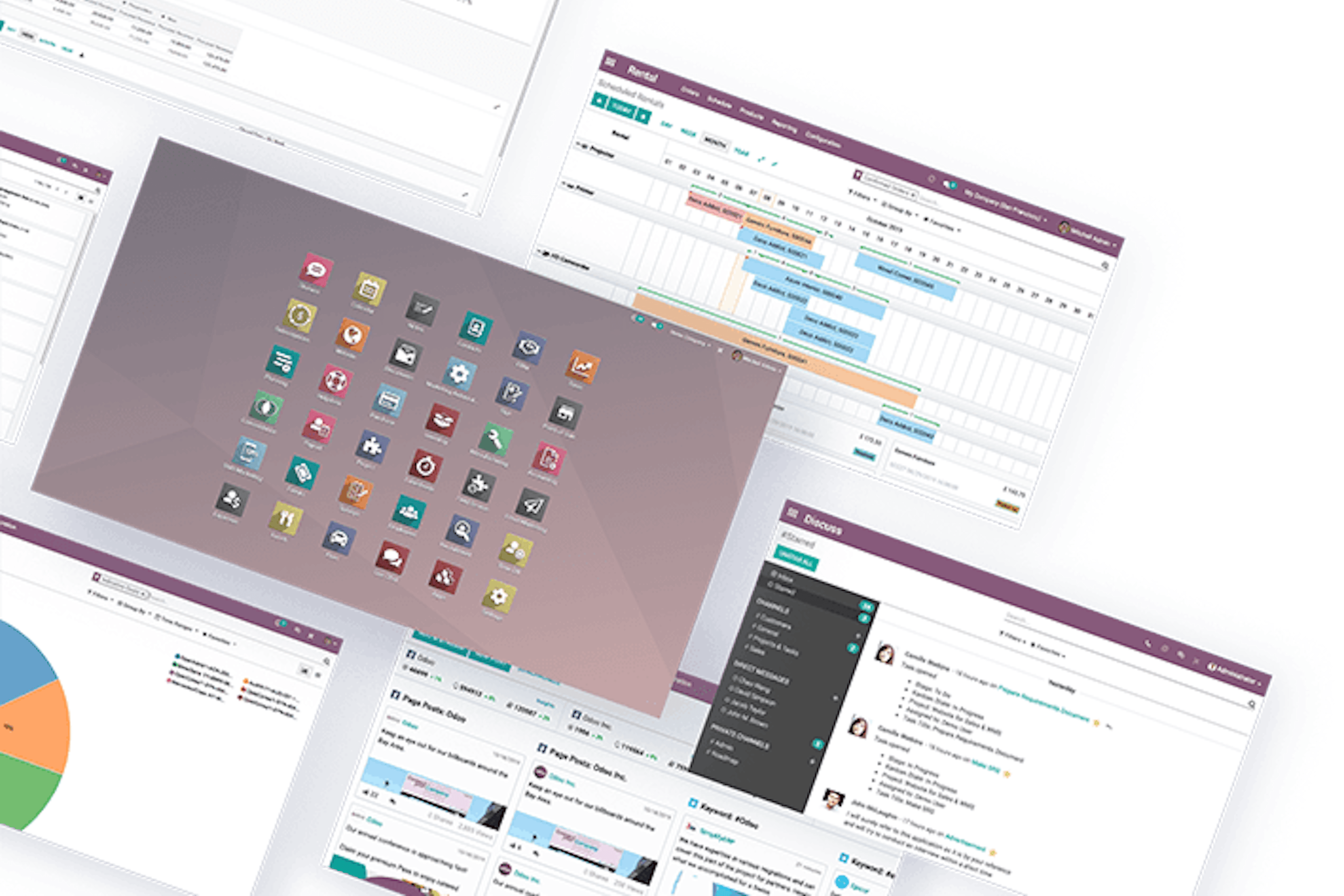
ERP vs CRM: what is the difference?
In a competitive market, businesses lean on software to operate efficiently. Two systems come up most: ERP and CRM. They serve different purposes, and they often work better together than apart.
6 min read
Odoo or Exact: which ERP fits your SME?
Choosing an ERP changes how the business runs. Odoo and Exact both target SMEs, but they solve different problems. This is a side-by-side read on functionality, flexibility, support, and where each one fits.
4 min read
Odoo vs AFAS: comparing two ERP systems built for SMEs in NL and BE
A side-by-side comparison of Odoo and AFAS, two ERP systems built for SMEs in the Netherlands and Belgium. It weighs flexibility, user-friendliness, support, integrations and cost per system.
June 10, 2026 - 3-minute read
10 Tips for Improving Your Productivity in Odoo

5-minute read
5 Artificial Intelligence Tools You Can Use in Odoo 19

8-minute read
Top 10 Time Tracking Software [2026 Comparison]

8-minute read
How to Integrate WhatsApp with Odoo to Improve Communication with Your Customers
8-minute read
7 Benefits of Implementing Odoo in Your Business

8-minute read
Key Tips for Integrating Odoo with WooCommerce